YAG Laser Capsulotomy (Posterior Capsulotomy)
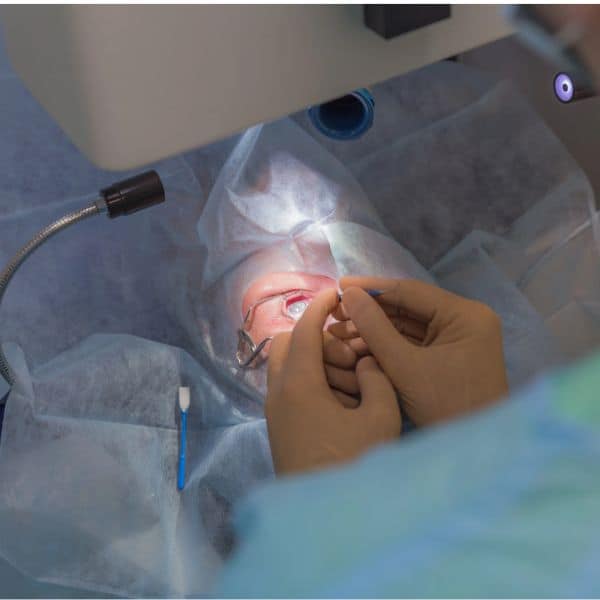
YAG laser capsulotomy is a quick, in-office laser procedure used to restore clear vision after cataract surgery. It treats a common condition called posterior capsule opacification (PCO) — sometimes called a secondary cataract — where the lens capsule behind your intraocular lens (IOL) becomes cloudy over time. The procedure takes less than 10 minutes and requires no incisions, stitches, or lengthy recovery period.

What is posterior capsule opacification (PCO)?
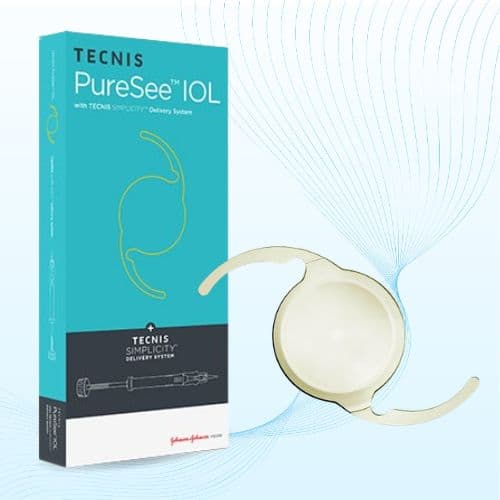
During cataract surgery, your surgeon removes your cloudy natural lens and replaces it with a clear artificial lens implant (IOL). That IOL sits inside a thin membrane called the lens capsule. Over time, residual cells can grow on the back wall of that capsule, making it hazy.
PCO is the most common complication following cataract surgery, which is otherwise a highly successful form of eye surgery. It’s not a sign that anything went wrong; it’s simply a biological response that some eyes are more prone to than others. It can develop months or even years after an otherwise successful procedure.
What causes vision to become cloudy again after cataract surgery?

As the posterior capsule becomes hazy, light scatters instead of focusing cleanly on the retina. This causes blurry vision, glare, and reduced contrast. These symptoms can feel very similar to the original cataract returning. But the cloudiness isn’t coming from the IOL itself. The lens implant remains clear. It’s the capsule behind it that’s the issue, and that’s precisely what the YAG laser targets.
What are the symptoms of posterior capsule opacification?
● Blurry or hazy vision that has gradually returned after cataract surgery
● Glare or halos around bright lights, especially at night
● Difficulty reading or seeing fine detail
● Colors that appear washed out or less vivid
● Reduced contrast or overall haziness in your vision
The decision to treat is similar to the original decision to address your cataract — it depends on whether the cloudiness is meaningfully affecting your vision and daily life.
What does YAG stand for?
YAG stands for yttrium aluminum garnet, a synthetic crystal that gives this special laser its precise properties. The full name of the laser is the neodymium-doped yttrium aluminum garnet laser or Nd: YAG laser for short. This piece of equipment delivers short, focused pulses of laser energy that create a small, clear opening in the cloudy capsule without disturbing the lens implant in front of it or the retina at the back of your eye.
Get in touch with us
Call now or book your appointment online.
How is YAG laser capsulotomy performed?
The YAG laser procedure takes place in the office and requires no sedation.
Your eye doctor will first apply numbing and dilating eye drops to widen your pupil and prepare the eye. You’ll be seated at the laser unit, which should feel similar to a standard slit lamp exam. In some cases, a small contact lens is placed on your eye with a lubricating gel to help focus the laser precisely. You’ll be asked to hold your gaze steady while the laser fires.
The laser is silent to you, and you won’t feel anything in your eye. You may notice brief flashes of light or color and hear a faint clicking sound. The entire treatment typically takes five to ten minutes. Afterward, you’ll remain in the office for a 30 to 60-minute follow-up, so your eye pressure can be checked before you leave.
What is recovery like after posterior capsulotomy?
Recovery is minimal. There’s no incision to heal and typically no significant discomfort. You’ll need a driver on the day of the procedure, as your pupils will remain dilated for several hours. Most patients return to normal activities the following day.
In the days following the procedure, it can be common to notice floaters, which are small fragments from the capsule, drifting through your vision. These usually settle or disappear within a few weeks. Vision improvement can begin within hours, though it may take a few days to fully stabilize.
How effective is YAG capsulotomy?
Results are consistently strong, according to data often cited by the American Academy of Ophthalmology. Between 83% and 96% of patients experience meaningful visual improvement after the procedure, with some studies reporting rates as high as 98%. For most patients, a single treatment is all that’s needed. The opening created in the capsule is permanent, and PCO does not recur in the treated area.
What are the risks of YAG laser capsulotomy?

YAG capsulotomy has a relatively low risk of side effects, and complications are uncommon.
The most common side effect is a temporary rise in intraocular pressure (eye pressure) immediately after the procedure. This is why our doctors will monitor your pressure before you leave. If needed, eye drops can help restore it to normal. Patients with a history of glaucoma require closer monitoring.
Less common risks include macular edema (swelling at the center of the retina), retinal detachment or retinal tearing (more likely in highly nearsighted eyes), displacement of the intraocular lens, and corneal edema. Your doctor will review your individual risk profile before proceeding.
Get in touch with us
Call now or book your appointment online.
Experiencing post-cataract haziness? Contact Assil Guar Eye Institute
If your vision has become cloudy again after cataract surgery, our ophthalmology team or your optometrist can evaluate whether YAG laser capsulotomy is right for you. We provide comprehensive eye care, eye health services, and healthcare for patients throughout the Los Angeles area, including Beverly Hills, Santa Monica, West Los Angeles, West Hollywood, Culver City, Hollywood, Venice, Marina del Rey, Malibu, Manhattan Beach, and Downtown Los Angeles.
Call now or book your appointment online.
Frequently asked questions about YAG laser capsulotomy
Does YAG laser capsulotomy hurt?
No. Numbing drops are applied before the procedure, so you won’t feel the laser. You may notice brief flashes of light or color, and some patients feel mild pressure if a contact lens is used, but there is no pain during or after.
How soon after cataract surgery can PCO develop?
PCO can develop anywhere from a few months to several years after cataract surgery. There’s no fixed timeline. The type of intraocular lens used during your cataract procedure can influence the likelihood of PCO developing over time.
Will I need eye drops after the procedure?
Your doctor will determine this based on your intraocular pressure reading after your procedure and during any necessary follow-up visits. Some patients receive a short course of anti-inflammatory eye drops. If eye pressure rises, pressure-lowering drops may be prescribed temporarily. Long-term eye drops are not typically required after YAG capsulotomy.
Can secondary cataracts come back after YAG laser treatment?
No. The opening created in the posterior capsule is permanent. PCO cannot recur in the treated area. In rare cases, tissue may grow back at the edges of the opening, but this is uncommon and can be addressed with an additional laser treatment if needed.
Is YAG laser capsulotomy the same as LASIK?
No. LASIK reshapes the cornea to correct refractive errors, such as nearsightedness or astigmatism. YAG capsulotomy works on the posterior capsule deep inside the eye and has no effect on your corneal shape or prescription. They are entirely different procedures used for different purposes

Written by The AGEI Educational Team

Medically Reviewed by Dr. Kerry Assil