Menopause and Your Eyes: The Surprising Connection You Didn’t See Coming
Women experience a host of physical changes as they move through menopause. This occurs when the ovaries stop producing estrogen and progesterone. These transformations range from hot flashes and night sweats to irregular periods and decreased libido.
However, one factor in menopause and aging that is often overlooked is the eyes. From subtle shifts in vision to acute discomfort, the eyes are key. Fifty percent of the brain’s power is used for sight. Only then can women effectively manage eye health as they age.

About the structural and functional changes in the eyes as we age and begin perimenopause or menopause
Unfortunately, specific eye changes will eventually affect us all; it’s just a fact of life. These changes include:
Dry eye disease and menopause
When estrogen levels drop during perimenopause and/or menopause, the tear film of the eye may become affected, and the body does not make enough tears. Dry eye symptoms include a burning sensation, blurry vision, red eyes, twitching, or a gritty feeling. If left untreated, chronic dry eyes can damage the cornea, possibly affecting vision.
Dry eye can make routine tasks such as reading or computer work increasingly uncomfortable. These changes persist for postmenopausal women, as their hormone levels have permanently changed.
How to relieve dry eyes
First, use over-the-counter, preservative-free artificial tears or lubricating eye drops to moisten your eyes. You can also try lifestyle changes, such as taking regular breaks from screens and using a humidifier to add moisture to the air in an air-conditioned environment.
If these steps don’t help, see your ophthalmologist for more advanced treatments, such as autologous serum eye drops and tear-stimulating therapies such as DELIT, TearCare, and Punctal Plugs, to name a few.
Age-related presbyopia
One of the most common age-related eye changes, not always related to menopause, is presbyopia, or the stiffening of the lens inside the eye.
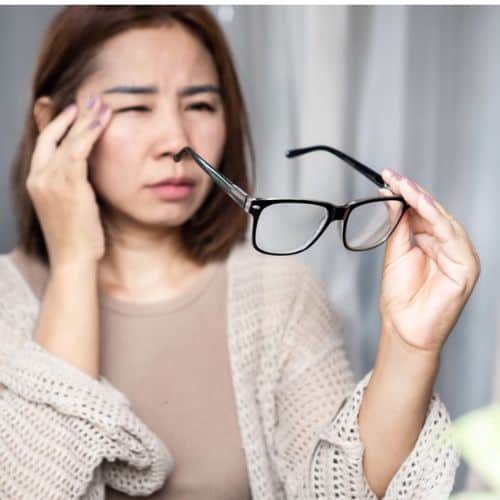
As we age, the lens loses its flexibility, making it harder to focus on objects up close. Reading small print becomes challenging, and many people reach for reading glasses in their 40s or 50s.
Along with changes to the lens, more light is needed to see clearly. Aging eyes allow less light to reach the retina, and the pupils become smaller and less responsive. This makes reading or doing close-up work in dim lighting much more difficult.
How do we treat age-related presbyopia?
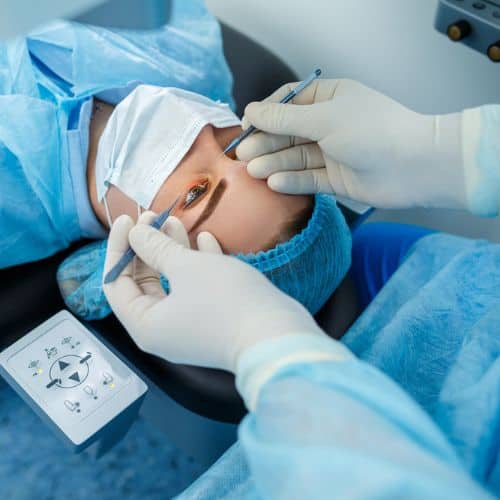
To deal with age-related presbyopia, most people use reading glasses, bifocals, or multifocal contact lenses to help see things up close more clearly. Surgical options like intraocular lens implants or premium cataract surgery are available for those who prefer not to wear glasses or contacts.
There are changes in how we perceive light
Hormonal shifts that affect reproductive systems can have wide-ranging impacts, including how our bodies perceive and react to light. These changes may include:
- Increased sensitivity to light
Some studies suggest that menopausal women may become more sensitive to certain types of light, especially blue light (the kind emitted by phone or computer screens). This can further interfere with melatonin production. - Eye aging
Independent of hormonal changes, aging (which coincides with menopause) can cause the eye’s lens to yellow and pupils to shrink, reducing the amount of light that reaches the retina. This can alter your body’s internal clock that syncs up with external cues, like the natural cycle of daylight and darkness. This process, called circadian rhythm entrainment, makes it harder for your brain to “know” what time it is.
Changes in light perception can lead to sleep issues
- Melatonin disruption
Melatonin, the hormone that regulates sleep-wake cycles, is highly sensitive to light exposure. Estrogen is thought to play a role in melatonin production. As estrogen declines during menopause, melatonin production can become irregular, making it harder to synchronize sleep with environmental light and dark cycles. - Circadian Rhythm Shifts
Because of hormonal and light perception changes, some menopausal women experience a shift in their circadian rhythm, feeling sleepy earlier or later than usual or struggling with fragmented sleep.
And sleeping issues can lead to mood disorders
As if compromised sleep wasn’t enough, be on the lookout for increased anxiety and mood disorders (including depression). These can become more common during menopause, negatively impacting your well-being.
But wait, there’s more!
- You can develop problems wearing contact lenses
Women may also notice increased intolerance to contact lenses. As the tear film becomes less stable, they can feel dry or irritated. This can be frustrating for long-time contact lens wearers and may prompt a switch to glasses or specialized implantable lenses (either via “refractive lens exchange” or “premium cataract surgery” with a vision correction IOL lens). - Increased allergies and eye sensitivity
Hormonal changes can heighten immune sensitivity, making the eyes more reactive to dust, pollen, or pet dander allergens. Redness, itchiness, and watering can become more frequent, especially in seasonal transitions. These symptoms may mimic dry eye or worsen it, creating a cycle of discomfort. - And get your eyes checked at least once a year to catch more serious age-related eye problems
These can include glaucoma and age-related macular degeneration (AMD).
How to manage your eye health through menopause and aging
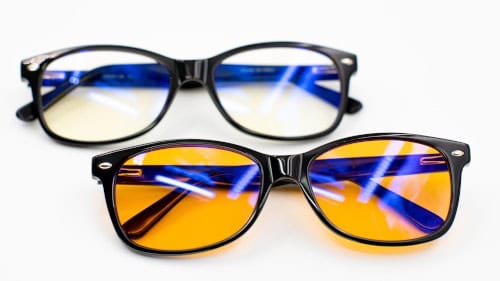
The good news is that many of these issues can be managed with lifestyle changes and professional care. Here are some helpful strategies:
- Boost ambient lighting in your home and workspaces to help with vision clarity.
- Use blue light-blocking glasses or increase daytime exposure to natural light to regulate sleep cycles.
- Apply artificial tears or lubricating drops regularly to ease dryness.
- Take screen breaks, blink often, and consider using a humidifier in dry environments.
- Have regular eye exams to catch early changes and discuss lens options if contact intolerance develops.
- Address mental health openly with your healthcare provider if sleep or mood disturbances arise.
You can do a lot to control the effects of menopause on your eyes!
Yes, menopause brings many physical and emotional shifts, and vision changes are just one part of that journey. But by recognizing the signs and taking proactive steps, you can protect your eye health, maintain comfort and clarity, and help preserve your vision during this time.
Call now or book your appointment online.
Want the best eye care in Los Angeles? Choose Assil Gaur Eye Institute
The eye care professional team of ophthalmologists and optometrists at Assil Gaur Eye Institute (AGEI) offers world-class eye care. Our eye doctors treat all significant eye conditions, including cataracts, dry eye, laser vision correction (such as LASIK and PRK), glaucoma, macular degeneration, and more.
At Assil Gaur Eye Institute, you will experience a state-of-the-art healthcare facility that combines revolutionary technologies with experienced vision care professionals. Our goal is to help you achieve your personal best vision.
Please call 866-945-2745 or visit our website to make an appointment online. If you are experiencing any concerning symptoms, contact an eye doctor immediately to determine the best time to schedule an exam.
Menopausal Eye Conditions FAQs
Are dry eyes part of perimenopause and menopause?
Yes, dry eyes are a common symptom during perimenopause and menopause due to hormonal changes that affect tear production and the quality of the tear film. Many women experience dry, gritty, or uncomfortable eyes during this time, which can start in perimenopause and become more common during menopause.
Can low estrogen cause dry eyes?
Low estrogen can cause dry eyes because estrogen helps regulate tear production. A decrease in this hormone, such as during menopause or certain times in the menstrual cycle, can reduce tear production and dry eye symptoms. Many women notice dry eye problems when their estrogen levels drop.
Is dry eye disease the same in young and old patients?
Dry eye disease is not precisely the same in young and old patients. While the symptoms can be similar, older adults tend to have more severe signs and are more likely to experience changes in tear production and tear film stability due to aging.
Factors such as hormonal changes, general health decline, and certain medications can make dry eye disease more common and sometimes more complex to manage in older than younger patients.
Can dry eye syndrome damage your eyes?
Yes! Without sufficient tears, your eyes are not protected from the outside world, leading to an increased risk of eye infections.
Severe dry eye syndrome can lead to abrasions or inflammation on the cornea, the eye’s front surface. This can cause pain, a corneal ulcer, and long-lasting vision problems.
Are there home remedies to treat dry eye syndrome?
Yes. Here are a few things you can do at home to reduce dry eye symptoms. These include:
• Limit your screen time. All day, people who work at a computer blink less, which harms the tear film.
• Take frequent breaks and remember to blink!
• Protect your eyes with sunglasses that wrap around your face and block dry air and wind.
• Avoid irritant triggers like pollen and smoke can worsen your symptoms.
• Use a humidifier, mainly because keeping the air around you moist may help.
• Use warm compresses on your eyes.
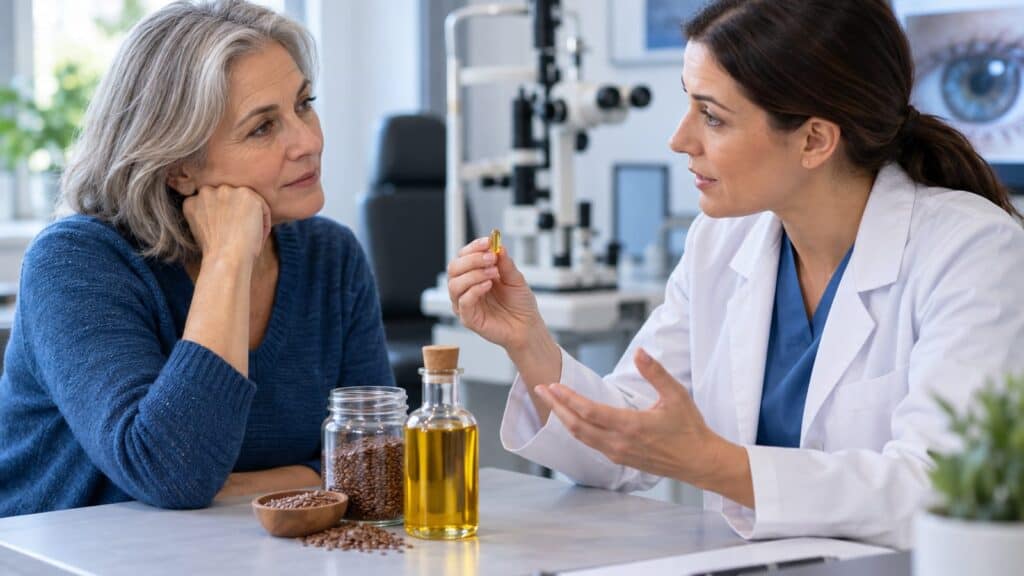
• Eat better. A diet rich in vitamin A and omega-3 fatty acids can encourage healthy tear production.

Written by Dr. Kerry Assil

Medically Reviewed by Dr. Lindsay Harris