


Aesthetic Eye Surgery, Blepharoplasty
BlepharoplastyEyelid surgery in Los Angeles
Eyelid surgery in Los Angeles
What is a blepharoplasty?
Blepharoplasty is lower- or upper-eyelid surgery for rejuvenation, repair, or reconstruction.
Blepharoplasties can erase the most noticeable signs of aging on your face, which is the area around your eyes. This procedure yields a significant improvement in your appearance.
Blepharoplasties can be performed for various reasons. The most common one we hear is that a patient is unhappy with how tired they look due to puffy, heavy-appearing eyelids and bags under their eyes. These can make the patient look older than they feel. As a facial plastic surgery procedure, it can make your eyes look younger and more alert.
Besides the aging process, severely sagging skin around the eyes can reduce side vision (peripheral vision). A blepharoplasty can reduce or eliminate these visual problems.
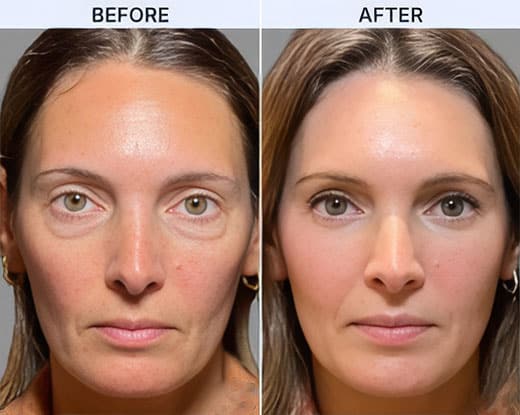
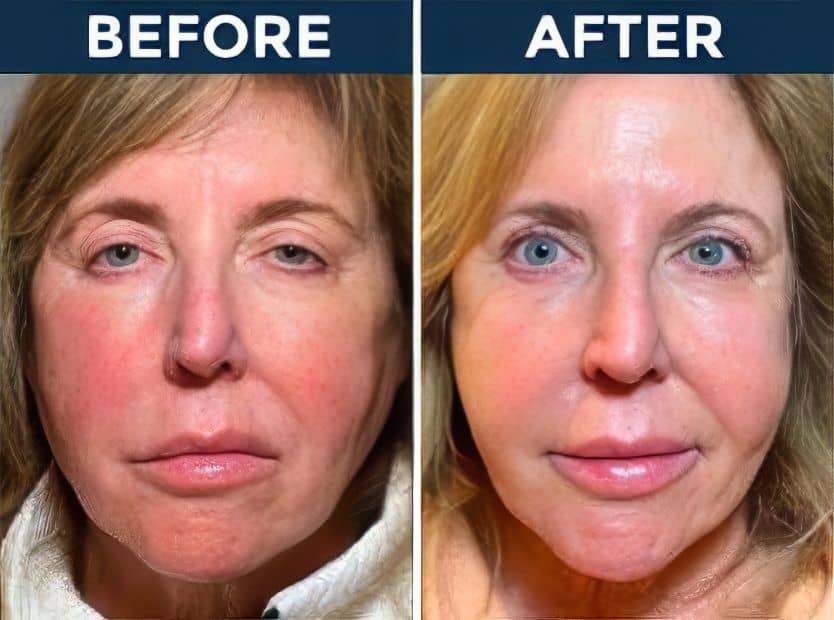
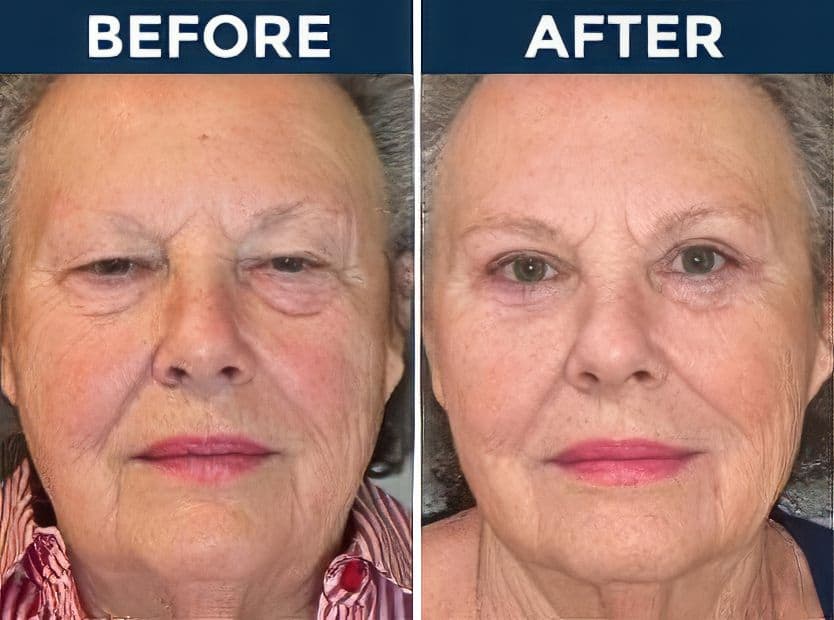
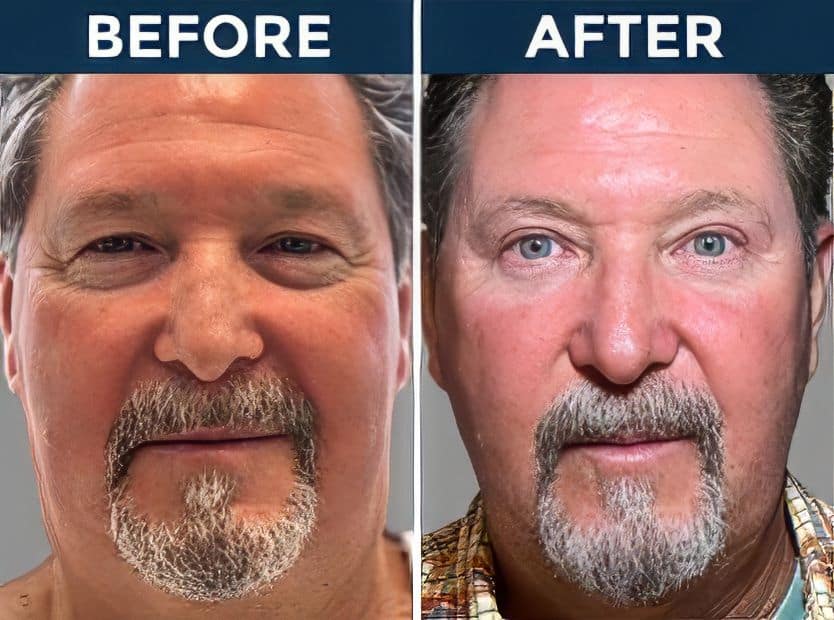
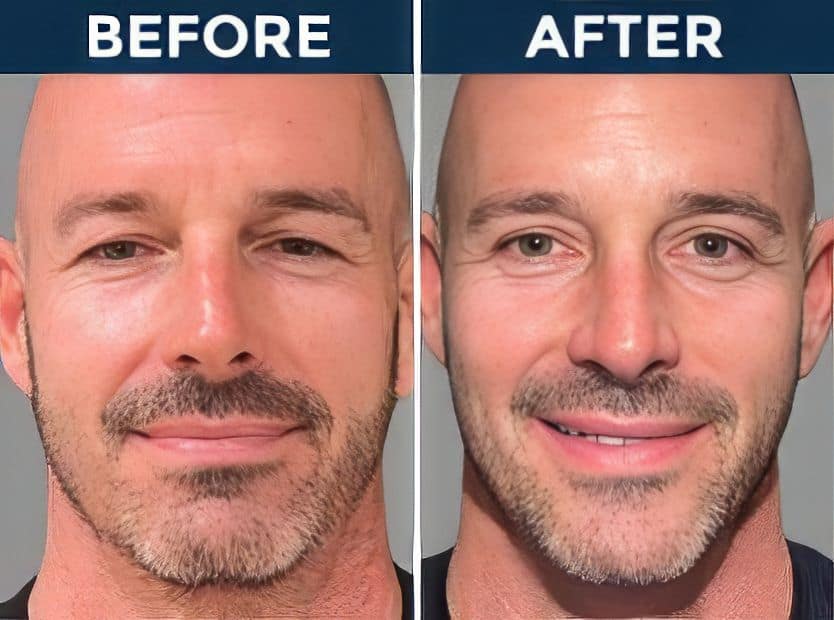
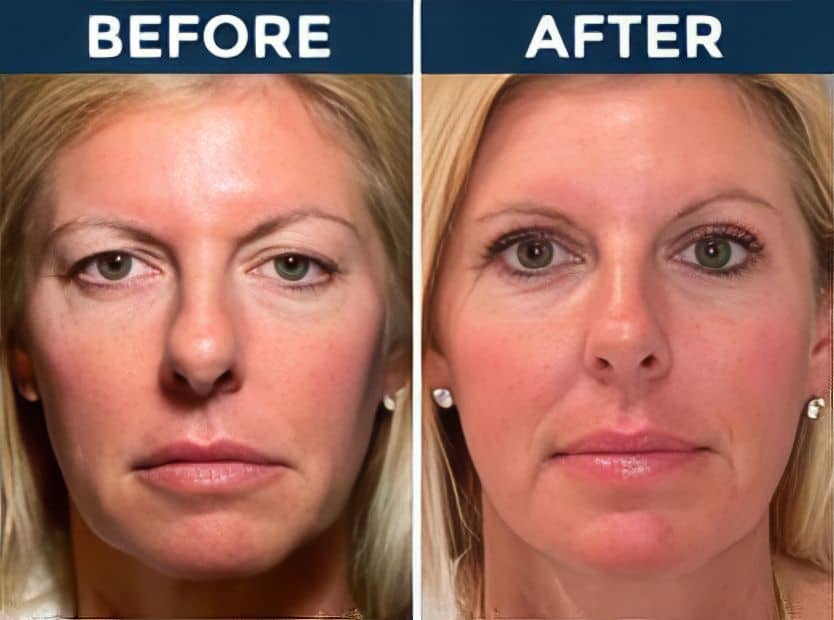
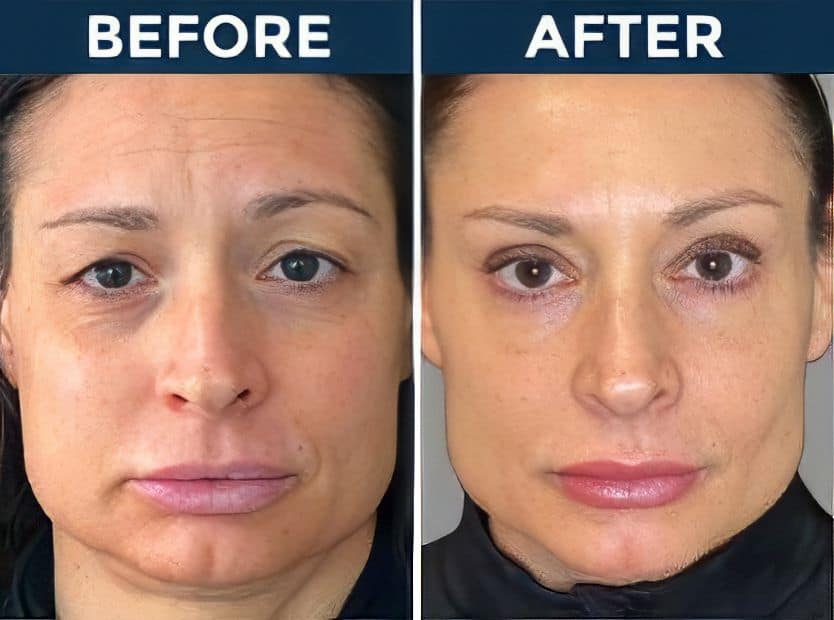
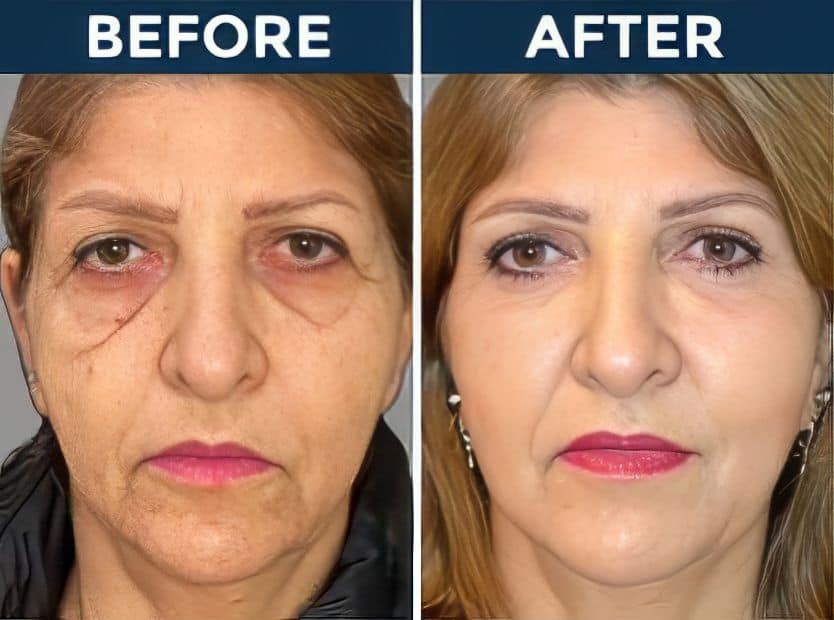
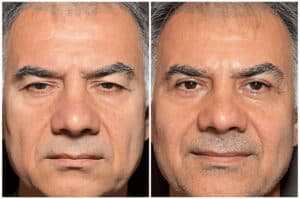
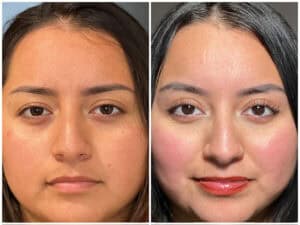
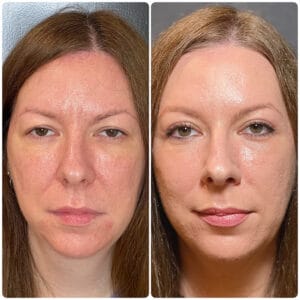
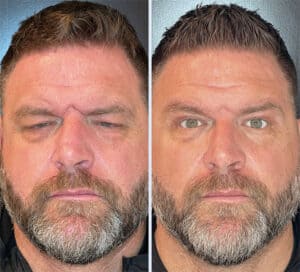
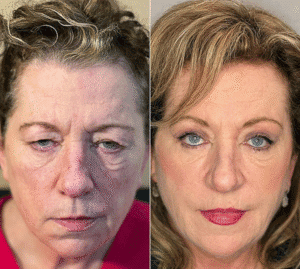
Actual patient of Dr. Adele Yarmohammadi
Are you a good Blepharoplasty candidate?
Get a Complimentary Blepharoplasty Surgery Photo Assessment from Dr. Adele!
How popular are blepharoplasties?
Blepharoplasties are very popular. According to the American Society for Aesthetic Plastic Surgery, they are among the top five cosmetic procedures performed on men and women in the United States. They are the second-most-performed procedure, with more procedures than facelifts year after year.
Ptosis, a true drooping of the upper eyelid caused by a weakened or stretched muscle, is a different condition from excess eyelid skin and is treated with a different procedure. Learn more about ptosis surgery and how it differs from blepharoplasty.
Blepharoplasties are safe and effective when performed by an experienced surgeon (like AGEI’s Dr. Adele) with a deep knowledge of the eye’s structures, nerves, and muscles.
Dr. Adeleh Yarmohammadi will perform a thorough examination to determine if your excess eye tissue will make you a good candidate for a blepharoplasty procedure.

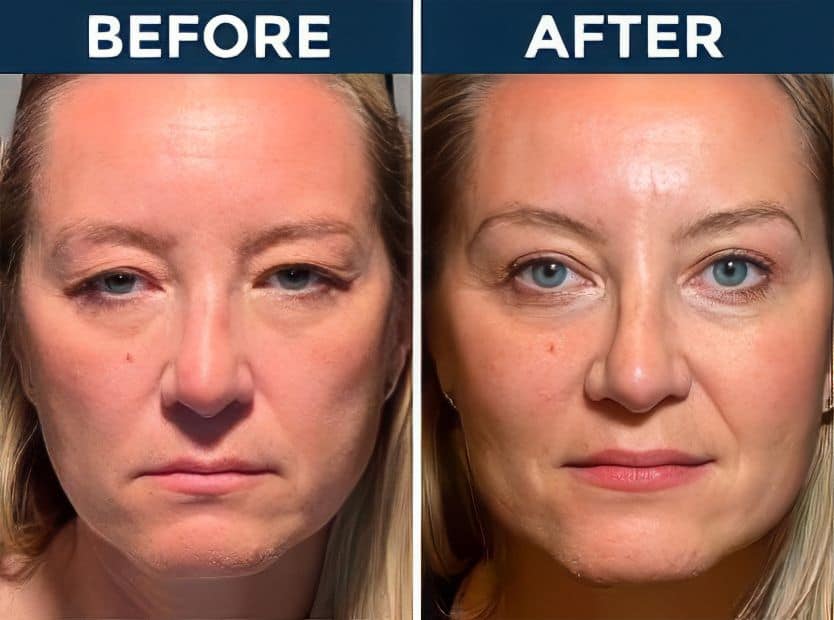
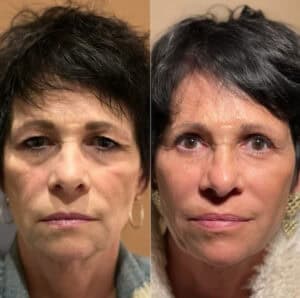
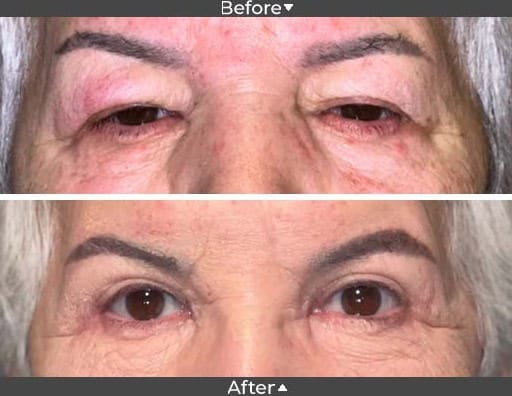
Some of Our Blepharoplasty Before & After Pictures

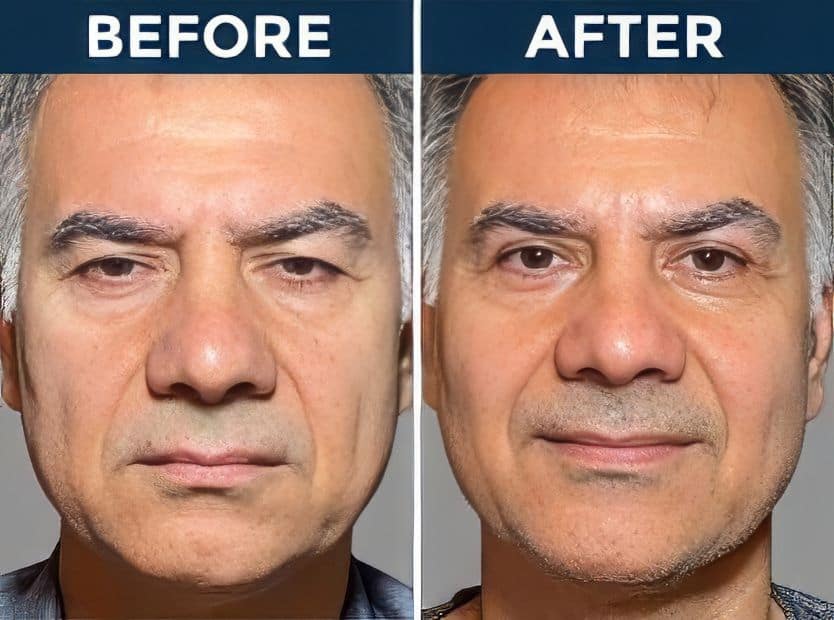
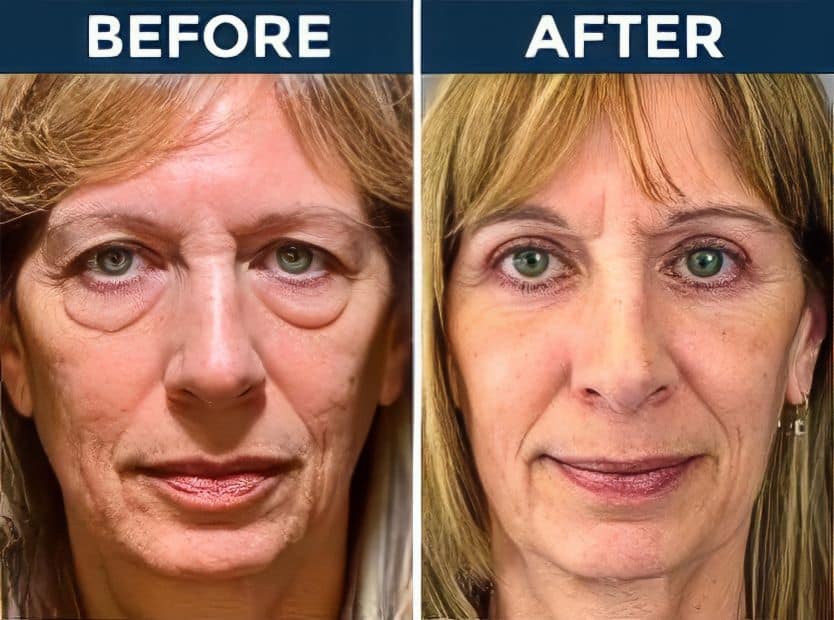
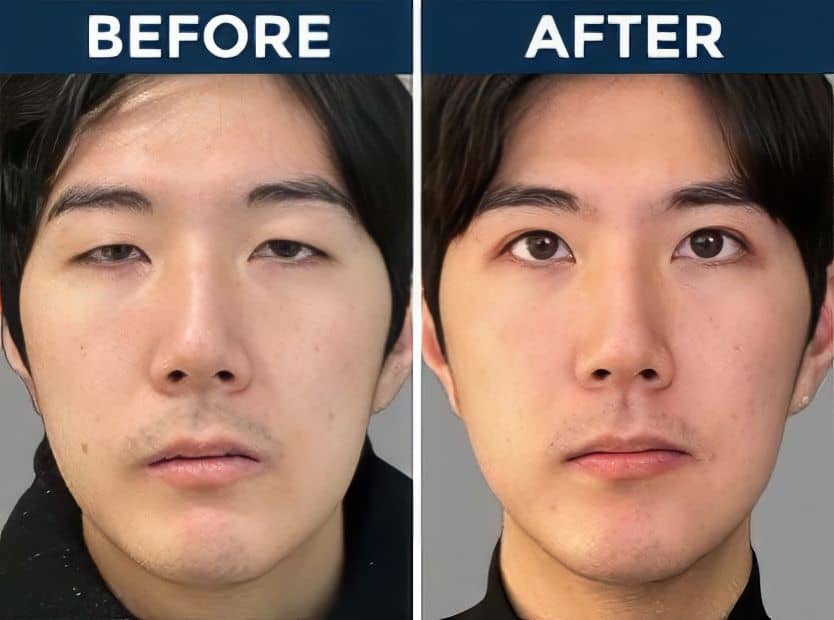
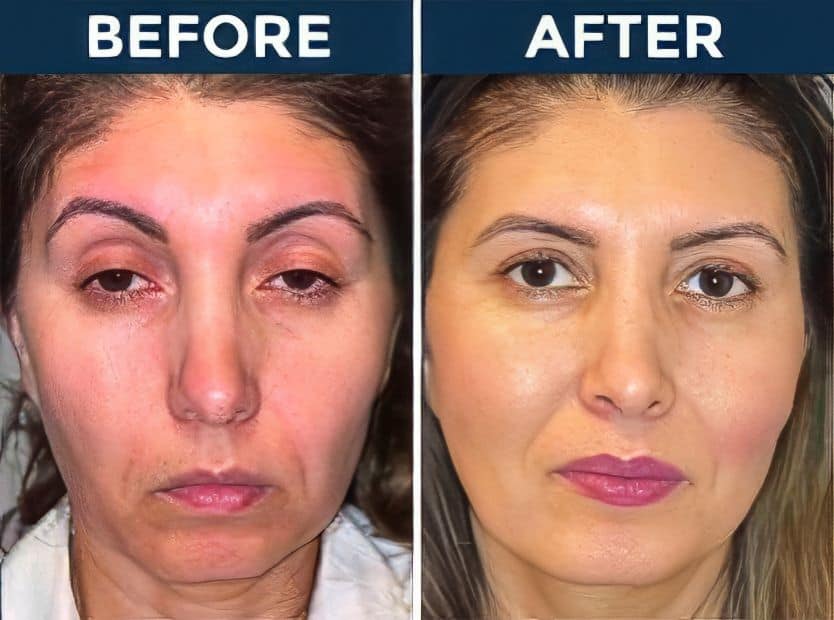
×
![Zoomed Image]()
Are there non-cosmetic (medical) reasons to have blepharoplasty?
Absolutely! Sometimes, blepharoplasties can restore peripheral vision obstructed by sagging skin or fat deposits. Moreover, blepharoplasties can also address droopy eyelids that fail to open sufficiently, thereby blocking vision, a condition known as ptosis.
When excess upper eyelid skin measurably blocks your field of vision, blepharoplasty may be considered functional rather than cosmetic, and some or all of the procedure may qualify for coverage. Insurers typically require visual field testing, standardized photographs, and a letter of medical necessity from your surgeon. Learn more about whether droopy eyelid surgery is covered by insurance and what documentation you’ll need.
Upper blepharoplasty
This procedure focuses on the area between your eyelashes and eyebrows. It involves eliminating excess skin and fat through an incision in the natural crease of your eye socket, making it barely visible. Depending on your circumstances, your surgeon may close the skin using dissolvable stitches (sutures), removable sutures, or special skin glue.
Lower blepharoplasty
This procedure targets the under-eye area, specifically the space between the lower lash line and the cheek. It addresses lower lid droop or trims excess loose skin, muscle, or fat under the eyelids. Lower eyelid surgery is more complex. The incision can be made under the eyelash line, extending past the outer corner of the eye (into the area where crow’s feet tend to be located) or on the inside surface of the lower eyelid so that no incision is visible on the outside.
Request Your Consultation
Call now or book your appointment online.
What to expect after eyelid lift surgery?
A thick antibiotic ointment is applied to your eyes to prevent them from drying out during surgery. This will make your vision murky or blurred, but it is nothing to be concerned about and will quickly go away.
You’ll be instructed to use the ointment four times daily inside the eye and on your incisions. We will also prescribe artificial tears to help prevent eye dryness during recovery.
Individuals undergoing upper eyelid blepharoplasty surgery might go home with tiny stitches on their eyelid crease. If we don’t use dissolvable stitches, our surgeon will remove them in seven to ten days. Depending on the technique, you may not need stitches for a lower lid blepharoplasty.
SEE LIFE THROUGH OUR PATIENT'S EYES
REAL BLEPHAROPLASTY PATIENT STORIES



How is a blepharoplasty performed?
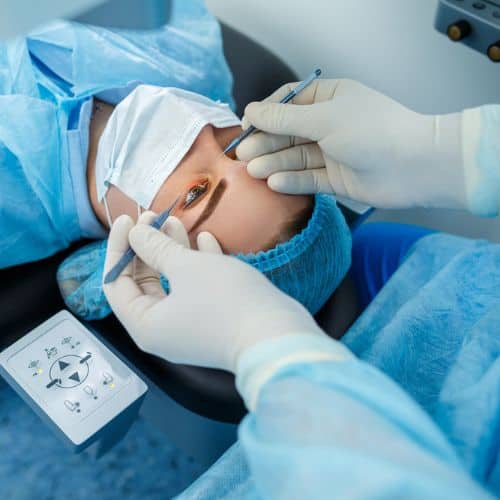
When choosing Dr. Adeleh Yarmohammadi, blepharoplasty surgery takes approximately three hours for both eyes. This procedure is typically performed using local anesthesia with intravenous sedation. Patients undergoing both upper and lower blepharoplasties might elect to receive general anesthesia.
Before surgery begins, your surgeon will re-examine you sitting up, using a surgical pen, and mark the sagging area and where incisions will be made.
Moderate swelling and bruising of the delicate skin around the eyes are common. The extent of bruising and swelling will vary from patient to patient and should subside within 2 weeks after upper lid surgery and up to 4 weeks after upper and lower blepharoplasty.
Our doctor will instruct you to gently apply cold compresses for a few minutes, three to four times a day, during your first postoperative week to help reduce swelling. You'll be encouraged to sleep in a "sitting up" position with several pillows under your head to prevent fluid accumulation and swelling.
You’ll receive prescriptions for ointments and/or eye drops to prevent infections while recovering. Avoid strenuous exercise for at least 1 week; light walking is encouraged. Wear dark-tinted glasses to protect your eyes as you heal, and avoid makeup, especially around the eyes, until your doctor permits it.
Try to set up your home with everything you need. During the first couple of days after surgery, you will be most comfortable keeping your eyes closed.
Are there any risks or complications from an eyelid lift?
While all surgery involves some risk, serious complications from eyelid blepharoplasty are unlikely. Temporary bruising and puffiness are expected due to the delicate nature of eyelid tissue, which resolves within a couple of weeks. Watery or dry eyes and blurred vision can also be expected during the first few weeks of recovery.
Your surgeon will review all possible risks and complications of your surgical procedure in detail during your pre-operative consultation. You will also receive this information in writing to review it as part of the consent process.
Will my eyelift surgery results be permanent?
It’s essential to remember that getting an eyelift won’t stop the aging process. Over time, as your body ages, it’s possible that your eyelid skin can start to sag or appear wrinkled. It is challenging to predict the longevity of your eye lift results because individual outcomes depend on factors such as the condition of your eyelids before surgery, the quality of your skin, your age at the time of surgery, and the extent to which you care for your skin over time.
Most of our patients remain happy with the results of their blepharoplasty 10 to 15 years after their surgery. It’s essential to discuss the procedure thoroughly with your surgeon and set realistic expectations, clearly understanding what the procedure can and cannot achieve.
Read real patient stories about blepharoplasty.
Why Choose AGEI for blepharoplasty near you?
Your eyes are one of the most delicate structures in your body. When you’re looking for a surgeon to correct the appearance or function of your eyelids and the structures surrounding your eyes, you want to seek an oculoplastics surgeon.
Our oculoplastics surgeons are board-certified ophthalmologists specializing in eye aesthetics for Los Angeles, Santa Monica, and Beverly Hills patients.
With extensive training in microsurgical eye surgery and highly specialized training in plastic and reconstructive eye surgery. The health and safety of your eyes are the number one priority in all surgical planning performed by an oculoplastics surgeon.
Are you a good Blepharoplasty candidate?
Get a Complimentary Blepharoplasty Surgery Photo Assessment from Dr. Adele!
Sources
-
Upper Blepharoplasty and Brow Lift: State of the Art.
https://www.ncbi.nlm.nih.gov/pmc/articles/PMC6188243/ -
Centers for Medicare & Medicaid Services. Local Coverage Determination (LCD): Blepharoplasty, Eyelid Surgery, and Brow Lift (L34194).
https://www.cms.gov/medicare-coverage-database/view/lcd.aspx?lcdid=34194
Blepharoplasty FAQs
How painful is Blepharoplasty surgery?
The good news is that most patients are pleasantly surprised by how comfortable the procedure is. I perform eyelid surgery in the office using local anesthesia, so you shouldn’t feel pain during the procedure, just a little pressure or gentle movement.
After surgery, most people describe the recovery as more of a feeling of tightness or swelling rather than pain. Any discomfort is usually mild and well controlled with ice packs, and maybe Tylenol. In fact, many patients tell me their biggest regret is simply waiting so long to have it done.
How Is Blepharoplasty Surgery performed?
Blepharoplasty is a highly customized procedure designed around your unique anatomy and goals. Before surgery, I carefully map out the natural eyelid crease and determine exactly how much skin should be removed while preserving normal eyelid function. The procedure is performed under local anesthesia in the office, so you’re comfortable throughout.
Through a carefully hidden incision within the natural eyelid crease, excess skin is removed, and the underlying fat is either preserved or repositioned—not simply removed—to create a natural, refreshed appearance. The incision is then closed with ultra-fine sutures that heal beautifully. Most upper eyelid procedures take about an hour, and patients go home the same day.
What is the modern approach to Blepharoplasty?
Blepharoplasty has evolved significantly over the years. In the past, the goal was often to remove as much skin, fat, and muscle as possible. While that created a tighter appearance initially, it could also lead to a hollow, skeletonized look as the face continued to age. Today, the modern oculoplastic approach is tissue-preserving.
Instead of simply removing fat, we carefully reposition and preserve it whenever possible to maintain natural volume and support. The goal isn’t to make you look like you’ve had surgery—it’s to restore a refreshed, well-rested version of yourself while preserving your unique eye shape. A natural result that continues to age gracefully is always our priority.
Who is a good candidate for Blepharoplasty surgery?
A good candidate for blepharoplasty is someone who feels their eyes make them look tired, heavy, or older than they feel. You may notice excess upper eyelid skin, puffiness, under-eye bags, or a loss of the youthful contour around your eyes. Some patients are also experiencing impaired peripheral vision because heavy eyelid skin is blocking their visual field.
The best candidates are in good overall health and have realistic expectations. During your consultation, I’ll carefully evaluate your eyelids, brow position, and facial anatomy to determine whether blepharoplasty alone (or a combination with ptosis repair, brow lift, or lower eyelid surgery) will give you the most natural and balanced result.
How should I prepare for eyelid surgery?
Preparing for eyelid surgery is simple, but a few important steps can help ensure a smooth procedure and recovery. Before surgery, we’ll review your medical history, medications, and any supplements that may increase the risk of bleeding. You’ll also want to arrange for someone to drive you home and help you during the first 24 hours.
I recommend having ice packs, artificial tears, and any prescribed medications ready before your procedure. On the day of surgery, arrive with a clean face, no makeup or contact lenses, and wear comfortable clothing. We’ll provide detailed preoperative instructions, so you feel confident and fully prepared every step of the way.
What are the possible risks and complications of Blepharoplasty surgery?
Like any surgical procedure, blepharoplasty has potential risks, but serious complications are uncommon when performed by an experienced oculoplastic surgeon. The most common side effects are temporary swelling, bruising, and mild dryness, which improve as you heal. Less commonly, patients may experience temporary asymmetry, delayed healing, or changes in eyelid position that sometimes require additional treatment.
During your consultation, I carefully evaluate your eyelid anatomy, tear film, and eye health to minimize these risks and create a personalized surgical plan. My philosophy is to prioritize both safety and natural-looking results, preserving the health and function of your eyes while helping you look refreshed.
What is recovery time after Blepharoplasty surgery?
Recovery after blepharoplasty is generally quicker than most patients expect. Swelling and bruising are usually most noticeable during the first week and begin improving significantly over the next one to two weeks. Most patients feel comfortable returning to work and social activities within 7 to 10 days, especially after the sutures are removed.
While you’ll look refreshed early on, subtle swelling continues to improve over the following weeks, and your final results become more refined over the next three to six months. During recovery, following your postoperative instructions—including using ice packs, lubricating eye drops, and protecting your skin from the sun—helps optimize healing and achieve the best possible outcome.
What are the restrictions after Blepharoplasty surgery?
After blepharoplasty, following the right postoperative instructions is one of the best ways to ensure a smooth recovery. I usually ask my patients not to wash their face until after the sutures are removed. Instead, you can gently clean around the eyes and the rest of your face while keeping the incision area protected with a thin layer of the prescribed ointment.
It’s perfectly fine to wash your hair salon-style, leaning your head back, as long as you avoid getting water or shampoo in your eyes and don’t rub the eyelids. I also recommend avoiding full showers or baths until your sutures are removed. Makeup and strenuous exercise should be avoided for about two weeks to allow the incisions to heal properly and minimize swelling. I’ll review these instructions with you in detail, so you know exactly what to expect during recovery.

Written by Dr. Adeleh Yarmohammadi

Medically Reviewed by The AGEI Educational Team