Glaucomain Los Angeles
in Los Angeles
What is glaucoma?
Glaucoma is a progressive eye disease that causes irreversible damage to the optic nerve due to high eye pressure (intraocular pressure). The optic nerve is what helps your brain form a picture for you to see.
It’s estimated that there are over 67 million cases of glaucoma worldwide. Nearly 10% of people over 70 have glaucoma. Additionally, glaucoma is the leading cause of blindness in people over 60.
African Americans, Asians, and Hispanics are at higher risk for glaucoma.
Dr. Assil discusses glaucoma: symptoms and treatment options.
What are the symptoms of glaucoma?
- Gradual or sudden vision loss (blurred, narrow, or tunnel vision, and blind spots)
- Eye pain (severe eye pain in the case of acute angle-glaucoma)
- Headaches / Migraines
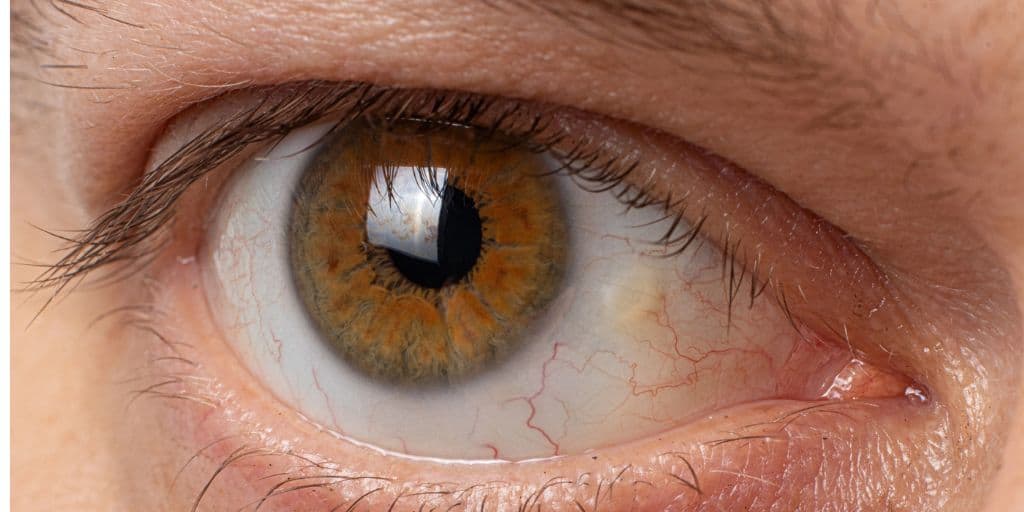
- Red eyes
- Halos around lights
- Nausea and vomiting (in severe cases)
Unfortunately, half of the people with this disease are unaware they have eye health issues, as there are typically no early warning signs. Glaucoma is called the “Silent Thief of Sight” as vision is preserved until late in the disease when irreversible and permanent damage has already occurred.
As with many diseases, early detection and treatment, as well as regular treatment follow-up, are critically important to lower eye pressure to help minimize long-term harm.
What causes glaucoma?
The exact cause of glaucoma is not fully understood, but some factors have been found to contribute to the development of the disease, including:
Age
Your risk of getting glaucoma increases as you age, especially beyond 60.
Ethnicity
Asians are more likely to suffer from angle-closure glaucoma than other ethnic groups. African Americans over 40 and Hispanics over 60 are also at increased risk for open-angle glaucoma.
Family history of glaucoma
Many people are surprised to learn that glaucoma can run in families. Learn more about who may benefit from testing and how genetics may influence glaucoma care in our guide to glaucoma prevention and genetic testing.
Increased intraocular fluid pressure
Although this is a significant risk factor, only half of all Americans with glaucoma will show increased intraocular pressure when measured randomly because eye pressure constantly fluctuates.
It’s essential to screen for glaucoma with an ophthalmologist by taking intraocular pressure measurements over time to look for trends of elevated pressure.
Other ocular conditions
Various ocular manifestations, such as conjunctivitis, uveitis, retinal vasculitis, thin corneas, severe nearsightedness, or farsightedness, and some prior eye injuries have been attributed to an increased risk of glaucoma.
Pre-existing medical conditions
Other risk factors include diabetes, high blood pressure (hypertension), and patients with HIV/AIDS.
Medication
In some cases, glaucoma can be triggered or worsened by certain medications. Corticosteroids and some other drugs can raise intraocular pressure, so it’s worth knowing which medications can cause or worsen glaucoma before starting a new prescription.
Call now or book your appointment online.
Can you prevent glaucoma?
Sadly, there is no way to prevent glaucoma. Annual eye exams with your ophthalmologist or eye doctor are the only way to detect and begin treating glaucoma early.
What are the different types of glaucoma?
Chronic (primary open-angle) glaucoma
This is the most common type of glaucoma in which ocular fluid drains too slowly or is overproduced, causing pressure inside the eye to build up. It usually results from an aging and under-functioning eye drainage system. Younger people can also get this form of glaucoma, although rarely.
Normal-tension glaucoma
Also called low-tension glaucoma, this is a form of open-angle glaucoma where eye pressure is “within the normal range,” but there is evidence of optic nerve damage. It is thought that reduced blood flow to the optic nerve may play a role in normal-tension glaucoma.
A recent extensive study showed that the incidence of dementia was 1.9 times higher in those with newly diagnosed normal-tension glaucoma than those with glaucoma-free.
Acute (angle-closure) glaucoma
Acute angle-closure glaucoma (also called narrow-angle glaucoma) occurs when the drainage system within the eye suddenly becomes blocked, causing a rapid rise in eye pressure. The onset of symptoms is immediate, and because this can result in blindness, it is a medical emergency requiring immediate, urgent medical attention.
Chronic angle-closure glaucoma
This non-emergent variation of acute angle-closure glaucoma may present gradually with mild symptoms. Those of Asian and Native American descent are at higher risk for this type of glaucoma.
Secondary glaucoma
Secondary glaucoma, also called Neovascular glaucoma, may occur due to another eye disease or condition like diabetes, asthma, COPD (due to chronic steroid or corticosteroid use of over three months), a tumor, and those who have suffered from COVID-19, to name a few.
Congenital glaucoma
Congenital glaucoma is a rare, inherited eye condition affecting infants and young children. It occurs when there is a problem with the drainage system in the eye, leading to increased pressure inside the eye. The increased pressure can damage the optic nerve, resulting in vision loss if left untreated.
Pigmentary Glaucoma
Pigmentary glaucoma develops when tiny pigment particles from the iris block the eye’s drainage system, causing eye pressure to rise. If left untreated, the increased pressure can damage the optic nerve and lead to permanent vision loss. Regular monitoring and treatment can help protect your vision.
What are the treatments for glaucoma?
While there is no cure for glaucoma, its progression can be slowed down through various means. Treatment options are influenced by how advanced the disease is and if the patient is an appropriate candidate for a given treatment.
Treatment options fall into one of 3 categories:
Glaucoma medications
The most common treatment for glaucoma is prescription eye drops (pills are also used, but only as a temporary measure before surgery). The goal of these medications is to decrease intraocular pressure by either promoting drainage of excess eye fluid or reducing eye fluid production.
For patients who struggle with daily medicated eye drops for glaucoma, the Durysta dissolvable implant may be a great option. During a brief, in-office procedure, our doctor will insert the implant that will slowly and continuously release medication to help lower eye pressure. Durysta’s sustained and targeted drug delivery, which can last for months, eliminates the need for daily eye drops.
Laser eye surgery for glaucoma
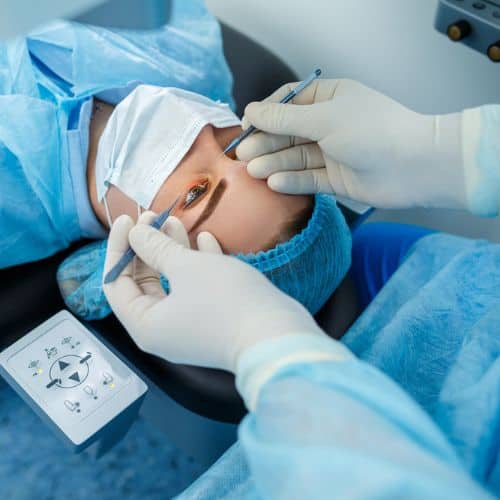
At Assil Gaur Eye Institute, we utilize a variety of laser procedures to treat both open and closed-angle glaucoma, tailoring our approach to each patient’s particular needs.
Laser surgeries for glaucoma include Endocyclophotocoagulation (ECP), Selective Laser Trabeculoplasty (SLT), Laser Peripheral Iridotomy (LPI), and Transscleral and Micropulse Cyclophotocoagulation.
Leading eye care guidelines from the American Academy of Ophthalmology recommend SLT as a good first treatment for glaucoma, or as an add-on to other treatments, to help lower the pressure inside the eye. In one major study, about 3 out of 4 patients who had SLT as their first treatment were able to keep their eye pressure at a healthy level for three years without needing daily eye drops.
Minimally Invasive Glaucoma Surgery (MIGS)
In certain circumstances, patients with early to moderate glaucoma benefit from surgery, where the doctor makes an incision and works on the inner structures of the eye.
Congenital glaucoma is primarily treated with surgery because the cause of the problem is a very distorted drainage system that requires delicate repair.
The American Academy of Ophthalmology recognizes MIGS as an established surgical category for patients with mild-to-moderate open-angle glaucoma, particularly those undergoing concurrent cataract surgery, noting that devices such as the iStent, Hydrus Microstent, and OMNI system have demonstrated statistically significant IOP reduction and medication burden reduction in prospective clinical trials.
For patients who require both cataract removal and glaucoma treatment, Dr. Gaur performs combined cataract and MIGS surgery in a single procedure.
Learn more about our minimally invasive glaucoma surgeries here.
Assil Gaur Eye Institute, nationally recognized experts in glaucoma treatment
Assil Gaur Eye Institute adheres to the highest standards of ophthalmology and patient care in the country. They have assembled a team of top glaucoma doctors from around the country who continue AGEI’s tradition of offering patients the highest quality of specialist eye care.
Our Director of Glaucoma Services, Dr. Avneet K. Sodhi Gaur, is a Board-Certified, Fellowship-trained Cataract and Glaucoma Specialist and a member of the American Academy of Ophthalmology.
She has extensive experience in conventional glaucoma laser treatments and surgical procedures, such as trabeculectomy and glaucoma drainage implants. Dr. Gaur also performs state-of-the-art minimally invasive glaucoma procedures, including iStent, iStent inject, Hydrus, endocyclophotocoagulation (ECP), Goniotomy, OMNI 360, and Xen gel stent.
Call now or book your appointment online.
Glaucoma FAQs
Is glaucoma hereditary?
The most common form of glaucoma, called primary open-angle glaucoma (POAG), can have a genetic component. Not everyone who has a genetic predisposition to glaucoma will develop the condition. Other factors, such as age, race, and overall health, also play a role in the development of glaucoma.
What does glaucoma vision look like?
Glaucoma can cause gradual and permanent vision loss, starting with the peripheral (side) vision and then affecting the central vision.
As the condition progresses, you may begin to experience the following symptoms:
- Loss of peripheral vision: The loss of peripheral vision is often one of the first signs of glaucoma. You may notice that your visual field is gradually decreasing or you’re having trouble seeing objects to the side.
- Tunnel vision: As the loss of peripheral vision worsens, you may experience tunnel vision, where you can only see objects directly in front of you.
- Halos around lights: Some people with glaucoma may see halos or bright circles around lights, particularly at night.
- Blurred vision: Glaucoma can cause blurred or hazy vision, particularly in the early stages.
- Difficulty adjusting to low light levels: Glaucoma can make it more challenging to see in low light levels, such as when driving at night.
Does glaucoma cause blindness?
Yes, glaucoma can cause blindness if it is not detected and treated early. Glaucoma is a leading cause of irreversible blindness worldwide. It is estimated that up to 10% of people with glaucoma who receive appropriate treatment still experience vision loss. If left untreated or if treatment is delayed, glaucoma can lead to complete blindness.
Is glaucoma painful?
In general, glaucoma itself is not painful. And because it often has no symptoms in its early stages, it can be very challenging to diagnose glaucoma early. However, some forms of glaucoma can cause discomfort, particularly when intraocular pressure is elevated.
How is glaucoma diagnosed?
Glaucoma can be diagnosed through a comprehensive eye exam with several tests and procedures. These may include:
- Tonometry: This test measures the pressure inside your eye (intraocular pressure).
- Visual field test: This test checks for any loss of peripheral (side) vision, a common sign of glaucoma.
- Optical coherence tomography (OCT): This test uses light waves to create a detailed image of the optic nerve and can detect any changes or damage to the nerve fibers.
- Dilated eye exam: During this exam, your ophthalmologist will use eye drops to widen your pupils and examine the inside of your eye, including the optic nerve and retina.
- Gonioscopy: This test uses a unique lens to examine the drainage angle of the eye, which can help determine if there is a risk for angle-closure glaucoma.
Is glaucoma cancer?
No, glaucoma is not a type of cancer. Glaucoma is a group of eye diseases that damage the optic nerve, which is the nerve that carries visual information from the eye to the brain. This damage is usually caused by increased pressure within the eye, known as intraocular pressure.
Can glaucoma cause headaches?
Glaucoma can cause headaches through increased eye pressure, a common symptom of the disease. This increased pressure can lead to eye pain and discomfort, which may result in headaches. It’s important to note that not all people with glaucoma experience increased eye pressure, and even if they do, it may not necessarily cause headaches.
Can glaucoma be reversed?
Unfortunately, there is currently no cure for glaucoma, and the damage to the optic nerve caused by the disease cannot be reversed. However, with early diagnosis and appropriate treatment, it is often possible to slow or halt the progression of the disease and prevent further damage to the optic nerve.
Does diabetes cause glaucoma?
While diabetes does not cause glaucoma, it is a risk factor for developing the disease. This is because high blood sugar levels associated with diabetes can damage blood vessels in the eye, leading to changes in the optic nerve and an increased risk of glaucoma.
Does glaucoma affect both eyes?
Glaucoma can affect one or both eyes. However, it’s important to note that having glaucoma in one eye also increases the risk of developing the condition in the other eye. This is because the risk factors for glaucoma, such as high intraocular pressure, tend to be similar in both eyes.
In some cases, glaucoma may be more severe in one eye than the other, and the progression of the disease may differ between the two eyes. This can lead to differences in vision between the two eyes.
How successful is glaucoma surgery?
The success rate of glaucoma surgery depends on several factors, including the type of surgery, the severity of glaucoma, and the individual patient’s response to the surgery. In general, however, surgery to treat glaucoma can effectively lower intraocular pressure (IOP) and slow or halt the progression of the disease.
Can cataracts cause glaucoma?
While cataracts themselves do not cause glaucoma, the two conditions can be linked in several ways:
- Some risk factors for cataracts and glaucoma, such as age and family history, are the same.
- Some types of glaucoma, such as angle-closure glaucoma, can be caused by a blockage in the eye’s drainage system. In some cases, a severe cataract can cause a blockage in this system, increasing the risk of angle-closure glaucoma.
- Cataract surgery is a standard procedure that involves removing the eye’s cloudy natural lens and replacing it with an artificial lens. While cataract surgery does not cause glaucoma, some studies have suggested that certain types of glaucoma may be more likely to develop or progress.
What to expect at your first glaucoma consultation?
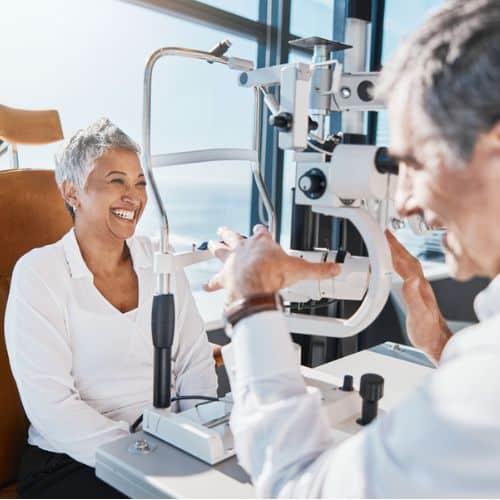
A glaucoma consultation is designed to evaluate the overall health of the optic nerve, measure eye pressure, and identify any signs of vision loss or disease progression. During the visit, your ophthalmologist may perform several diagnostic tests, including intraocular pressure testing, visual field testing, optic nerve imaging, and corneal thickness measurements.
Your specialist will review your medical history, discuss any risk factors, and recommend a personalized treatment or monitoring plan based on your specific diagnosis and eye health needs.
At AGEI, patients benefit from advanced glaucoma diagnostic technology and a collaborative approach to care designed to support both early diagnosis and long-term disease management.
How to find the right glaucoma specialist?
When choosing a glaucoma specialist, patients may want to consider factors such as experience managing different types of glaucoma, access to advanced diagnostic technology, and availability of both medical and surgical treatment options. Because glaucoma is a chronic condition that often requires long-term monitoring, it is also important to choose a practice that emphasizes ongoing care and patient education.
At AGEI, patients have access to a multi-specialty team of ophthalmologists and advanced imaging technology that supports comprehensive glaucoma evaluation and treatment. Our specialists utilize modern diagnostic tools to monitor optic nerve health, track disease progression, and develop individualized treatment plans tailored to each patient’s needs.
What is iCare HOME eye pressure monitoring?
iCare HOME is a handheld device that allows glaucoma patients to measure their eye pressure (intraocular pressure, or IOP) at home throughout the day. These readings help your ophthalmologist identify pressure fluctuations that may not be detected during a single office visit.
What is the difference between open-angle and narrow-angle glaucoma?
Open-angle glaucoma — the most common form — develops when the eye’s drainage channels become gradually less efficient, causing intraocular pressure (IOP) to rise slowly over time. It is painless and has no early symptoms, which is why it is called the “silent thief of sight.” Narrow-angle glaucoma (acute angle-closure glaucoma) occurs when the drainage angle between the iris and cornea becomes physically blocked, causing a sudden and dangerous spike in eye pressure. Unlike open-angle glaucoma, narrow-angle glaucoma is a medical emergency: symptoms include severe eye pain, sudden blurred vision, halos around lights, headache, and nausea. Both forms can cause permanent vision loss if untreated, but they require different treatment approaches.
What are MIGS procedures and which doctors perform them at AGEI?
Minimally Invasive Glaucoma Surgery (MIGS) is a group of microscale procedures that lower eye pressure by improving the eye’s natural drainage through tiny incisions, with faster recovery and lower risk than traditional glaucoma surgery. At Assil Gaur Eye Institute, Dr. Avneet K. Sodhi Gaur, MD, our Director of Glaucoma Services, performs the full range of MIGS options, including iStent, Hydrus Microstent, OMNI 360, and the XEN Gel Stent, often combined with cataract surgery in a single session.
How much does glaucoma laser surgery cost?
Cost depends on the specific procedure, whether one or both eyes are treated, and your insurance. Because glaucoma is a diagnosed medical condition, most major plans including Medicare cover medically necessary laser procedures such as SLT and LPI, subject to your deductible and co-pays. We recommend a consultation so our team can verify your benefits and give a clear estimate before any treatment
Is SLT laser effective for glaucoma management?
Yes. Selective Laser Trabeculoplasty (SLT) is a well-established treatment for open-angle glaucoma that uses low-energy laser pulses to help the eye’s natural drainage work more efficiently and lower pressure. The landmark LiGHT trial found SLT at least as effective as daily medicated drops as a first-line treatment, and it is a quick in-office procedure that can be repeated if pressure rises again. It is a strong option for newly diagnosed patients and those who want to reduce their dependence on daily drops, and at AGEI it is performed by Dr. Avneet K. Sodhi Gaur, MD.
-
Aqueous Humor
https://www.aao.org/eye-health/anatomy/aqueous-humor -
What Is Chronic Angle-Closure Glaucoma?
https://www.aao.org/eye-health/diseases/what-is-chronic-angle-closure-glaucoma -
Angle-Closure Glaucoma
https://glaucoma.org/what-is-angle-closure-glaucoma/ -
Open-Angle Glaucoma
https://glaucoma.org/what-is-primary-open-angle-glaucoma/ -
lIntraocular Pressure
https://www.ncbi.nlm.nih.gov/books/NBK532237/ -
Glaucoma in the African American and Hispanic Communities: What We Know
https://www.brightfocus.org/glaucoma/article/glaucoma-african-american-and-hispanic-communities -
Glaucoma Surgery Series: The Risks, Benefits & Side Effects of Glaucoma Surgery
https://www.brightfocus.org/glaucoma/article/glaucoma-surgery-series-risks-and-benefits-glaucoma-surgery

Written by The AGEI Educational Team

Medically Reviewed by Dr. Avneet Sodhi Gaur
No form shortcode found.