What’s the Worst Food for your Eyes? Beware of These Five!
What is the worst food for eye health?
Does what I eat affect what I see? Generally, we’re aware of foods that aren’t very good for overall health. But have you considered that some foods do not support healthy vision and may contribute to vision loss? Scientific research has revealed that many eye problems are linked to poor diet and nutrition.
The health of your eyes is directly connected to the health of your heart and blood vessels. Processed food purchased at the supermarket is high in saturated fat, an unhealthy fat that raises blood cholesterol levels. Saturated fat found in red meat, dairy products, fried foods, and junk food causes plaque buildup in blood vessels. The blood vessels that supply the eyes are very tiny and can easily become blocked.
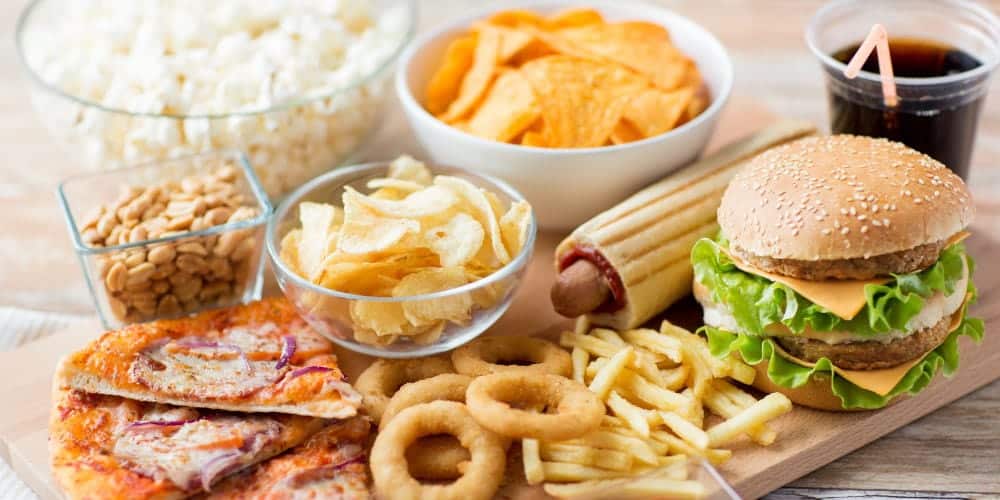
A diet high in saturated fat consists of unhealthy foods. But it’s not all bad, meaning it’s more about balance, not total removal. Katherine Patton, Lead, Outpatient Dietician at the Cleveland Clinic, said, “Try to find a balance and add a bit of healthy fat back into the diet. We do not recommend completely avoiding saturated fat.” The American Heart Association recommends aiming for about 5 to 6% of daily calories from saturated fat. While the USDA Dietary Guidelines for Americans recommend up to 10%.
Which food is not good for the eyes?
A healthy diet leads to healthy eyes; an unhealthy diet leads to unhealthy eyes. But “healthy eating” is a very vague concept. So, how do we know what foods to avoid for eye health? Bad foods for eye health tend to fall in some very broad categories of generally unhealthy foods:
1. Simple Carbohydrates
While delicious, the carbs found in pasta and white bread have been linked to a higher risk of eye diseases. When broken down, simple carbs cause a spike in blood sugar. Blood sugar is used as energy to fuel your body, but spikes caused by a poor diet are a risk factor for diabetes. A diet rich in simple carbohydrates can also cause weight gain and increase the risk of high cholesterol and heart disease. All of which influence eye health.
A study on the dietary glycemic index and age-related macular degeneration (AMD) suggests that patients at risk of AMD may benefit from decreased levels of simple carbs.
2. Sodium
A high-sodium diet with frequent salt spikes can lead to high blood pressure (hypertension). Sodium-rich foods include:
- hot dogs
- bacon
- deli meat
- canned foods
Over time, hypertension causes profound damage in the eye, including blood vessel damage, a buildup of fluid beneath the retina, and a blockage of blood flow that kills nerves. All can cause blurred vision and vision loss.
3. Saturated fat and trans fat
Health experts recommend avoiding foods that contain hydrogenated oils and trans fats. Cooking oil with less than four grams of saturated fat per tablespoon is recommended. Margarine is considered a healthy alternative to butter but is high in trans fats, which can increase blood cholesterol levels. Replace unhealthy fats with polyunsaturated fats, such as omega-3 fatty acids.
4. Condiments, toppings, and dressings
Why are all the best foods unhealthy for us? Mayonnaise, salad dressing, and even jelly are high in fat, which can be bad for our eyes (and overall health).
5. Sweetened drinks
Soda, sports drinks, energy drinks, and other sweetened drinks can contain up to 7 to 10 tablespoons of sugar per drink. This amount of added sugar can lead to a higher risk of type 2 diabetes, heart disease, and age-related macular degeneration.
And the best foods for your eyes? You can read our article: 7 Best Nutrients for Eye Health.
Does an unhealthy diet cause cataracts?

A cataract is when the eye’s natural lens becomes cloudy. Proteins in the lens break down, causing blurry vision, reduced color resolution, increased sensitivity to light, and diminished night vision.
Aging is the most common cause of cataracts. However, limiting alcohol consumption and maintaining blood sugar levels play a role in healthy vision.
The eye’s lens swells if blood sugar remains consistently high. The lens also converts blood sugar to sorbitol, a substance that collects in the eye and may cause cataracts. Maintaining healthy blood sugar levels is especially important for patients with diabetes.
What is age-related macular degeneration?
Age-related macular degeneration (AMD) is an eye disease that causes deterioration of the macula – the back layer of the eye that records images we see. These images are then sent to the brain via the optic nerve, and that’s how we see! AMD is the leading cause of vision loss among people over 50. Aging is the biggest risk factor (as the name suggests), but high blood pressure and poor diet can also increase your risk.
Request Your Consultation
Call now or book your appointment online.
Is there a connection between a healthy diet and macular degeneration?
The macula is an environment rich in cell-damaging free radicals. Vitamins and minerals rich in antioxidants may help prevent AMD by neutralizing free radicals. These include Vitamin A, Vitamin C, Vitamin E, and Zinc.
Why choose Assil Gaur Eye Institute for healthy eyes?
At AGEI, you will experience state-of-the-art ophthalmology that brings revolutionary technologies together with experienced, board-certified vision care professionals. Our goal is to help you achieve your best possible vision with our eye care.
Please call 866-945-2745 or visit us online to make an appointment. If you are experiencing any concerning symptoms or require immediate eye care, contact us immediately to determine the best time to schedule an exam.
At Assil Gaur Eye Institute, we take our patients’ safety seriously. Our facility’s Covid-19 patient safety procedures exceed all of the CDC’s coronavirus pandemic recommendations. Masks are required in our institutes at all times.
We are conveniently located for patients throughout Southern California and the Los Angeles area at locations in or near Beverly Hills, Santa Monica, West Los Angeles, West Hollywood, Culver City, Hollywood, Venice, Marina del Rey, Malibu, Manhattan Beach, and Downtown Los Angeles.

Written by Dr. Lindsay Harris

Medically Reviewed by Dr. John May