6 Unexpected Benefits of Cataract Surgery
Most people go into cataract surgery with one goal: to see clearly again. That’s a good reason. A cataract creates a cloudy lens behind the cornea inside your eye, causing gradual vision loss. Replacing your cloudy lens with a clear artificial intraocular lens (IOL) brings the world back into focus.
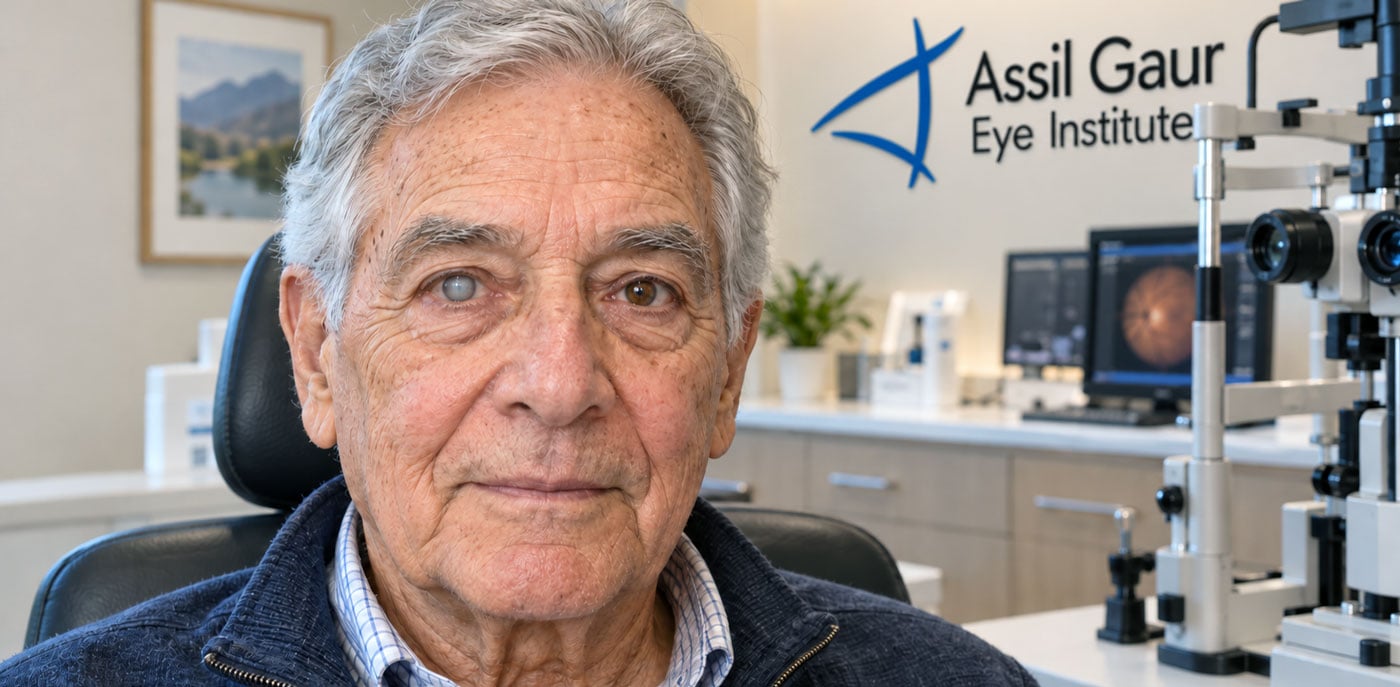
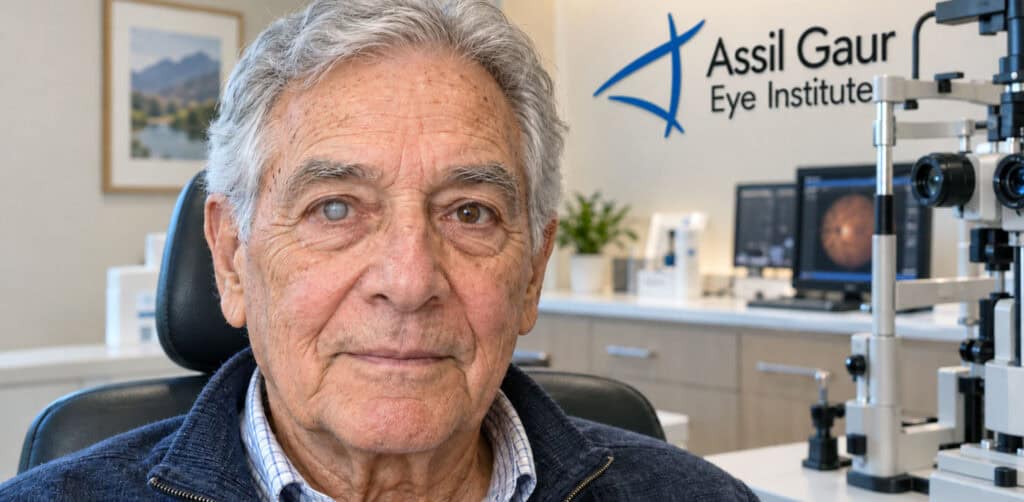
What surprises many of our patients at Assil Gaur Eye Institute (AGEI) is everything else that changes afterward. Some of these benefits reach well beyond your eyes. Here are the six that matter most.
1. You may see better than you did before cataracts
Cataract surgery doesn’t just return you to the vision you had a few years ago. Because your new lens is chosen and measured for your eye, it can correct problems you’ve lived with for decades, like nearsightedness, farsightedness, and astigmatism.
It can also help with the reading glasses most of us start needing after 40. Some advanced lenses focus at near, middle, and far distances. So many patients read a menu, work on a computer, and drive with less reliance on glasses. Depending on your eyes and whether you select a monofocal lens or an advanced multifocal option, some patients stop wearing prescription glasses altogether.
Our experienced cataract surgical team offers more than 12 lens options, including standard monofocal IOLs, trifocal lenses, and the Light Adjustable Lens, which can be fine-tuned after surgery. Learn more about choosing the right intraocular lens. If reducing your dependence on glasses is a goal, tell us during your comprehensive eye exam and consultation, so we can plan for it.
2. You’re less likely to fall and break a bone
Falls are one of the biggest threats to health and independence as we age, and poor vision makes them more likely. A misjudged curb or a step you didn’t see can cause serious injury.
Restoring clear vision helps you move through the world more safely. A 2012 study of more than one million Medicare patients found that people who had cataract surgery had a 16% lower risk of hip fracture in the year after surgery. For those with severe cataracts, the risk dropped by 23%. Harvard Health has a helpful summary of how cataract removal was linked to fewer hip fractures.
Better vision also matters behind the wheel. Clear sight, especially at night, helps you meet driving vision standards and better react to what’s happening on the road.
3. It may help protect your brain
Researchers have found a striking link between cataract surgery and brain health. A study of more than 3,000 older adults, published in JAMA Internal Medicine in 2021, found that people who had cataract surgery were about 30% less likely to develop dementia than those who didn’t. The lower risk held for at least 10 years after surgery.
The study shows an association, not proof that surgery prevents dementia. One leading theory is that sharper vision keeps the brain better stimulated. You can read the National Eye Institute’s summary of the cataract surgery and dementia study.
Call now or book your appointment online.
4. It can lower your eye pressure
Removing a cataract often lowers the pressure inside the eye. For most people, that’s a small bonus. For people with glaucoma or high eye pressure, it can be meaningful, since elevated pressure can damage the optic nerve over time.
In research from the Ocular Hypertension Treatment Study, patients with high eye pressure had lower pressure after cataract surgery and needed fewer glaucoma medications.
If you already have glaucoma, our surgeons can often perform minimally invasive glaucoma surgery (MIGS) during the same procedure. It adds only a few minutes and may reduce your need for daily eye drops.
5. Colors look brighter and night vision gets easier
Cataracts develop slowly, so most people don’t realize how much they’ve dimmed and yellowed the world. After surgery, many patients are amazed at how bright and true colors look. Whites look white again, and small details stand out.
Night vision often improves too. Cataracts scatter light, which creates glare and halos around headlights and streetlights. With a clear lens, many patients find night driving more comfortable. Hobbies that had become frustrating, like reading, golf, painting, or needlework, often become enjoyable again.
6. Our ophthalmologists get a clearer view of your eye
A dense cataract blocks your view out and blocks our view in. Once our ophthalmologist removes the cloudy natural lens from the lens capsule, they can see the retina and optic nerve much more clearly.
That makes it easier to diagnose and monitor other conditions, like glaucoma, diabetic eye disease, and macular degeneration. Sometimes removing a cataract reveals a problem that was hidden behind it, so it can be treated sooner.
What cataract surgery is like at Assil Gaur Eye Institute
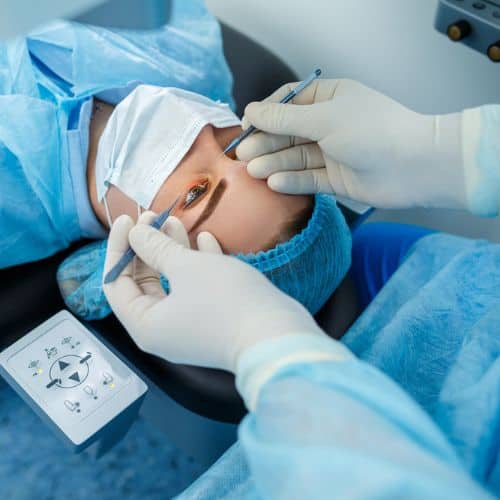
Modern laser cataract surgery is one of the most common, highly effective, and safe surgeries performed today. It usually takes 10-15 minutes per eye, you’re comfortable throughout, and you go home the same day with someone to drive you.
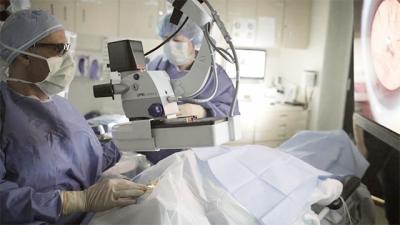
At AGEI, our surgeons use a femtosecond laser to create precise corneal incisions and perform our exclusive Eagle Vision Cataract Surgery protocol, which takes exacting measurements during surgery to help fine-tune your refractive outcomes. Most patients notice clearer vision the very same day; others within days, and our guide to cataract surgery recovery walks you through what to expect.
Every surgery has potential complications, and our surgeons will review the risks and benefits so you can choose with confidence.
Ready to see what cataract surgery could do for you?
If cataracts are dimming your vision, you don’t have to wait for them to get worse. Our surgeons at Assil Gaur Eye Institute see patients in Beverly Hills, Santa Monica, West Los Angeles, Downtown Los Angeles, and throughout Southern California. Schedule your cataract consultation or call (866) 945-2745 to get started.
Call now or book your appointment online.

Written by The AGEI Educational Team

Medically Reviewed by Dr. Avneet Sodhi Gaur