A New Era in Glaucoma Prevention: Genetic Testing at Assil Gaur Eye Institute
Glaucoma is often called the “silent thief of sight” because it can progress slowly and without symptoms until significant vision loss has already occurred. At Assil Gaur Eye Institute, our mission has always been to detect eye disease earlier, treat it more precisely, and protect our patients’ vision for life.
We are proud to introduce a new genetic test for glaucoma risk, SightScore (by Seonix Bio). This is a highly effective tool that helps us better understand your personal risk and tailor your care accordingly. This test does not diagnose glaucoma on its own. Instead, it provides valuable information that complements your clinical exam, imaging, and eye pressure measurements.
Understanding Glaucoma and Why Early Detection Matters
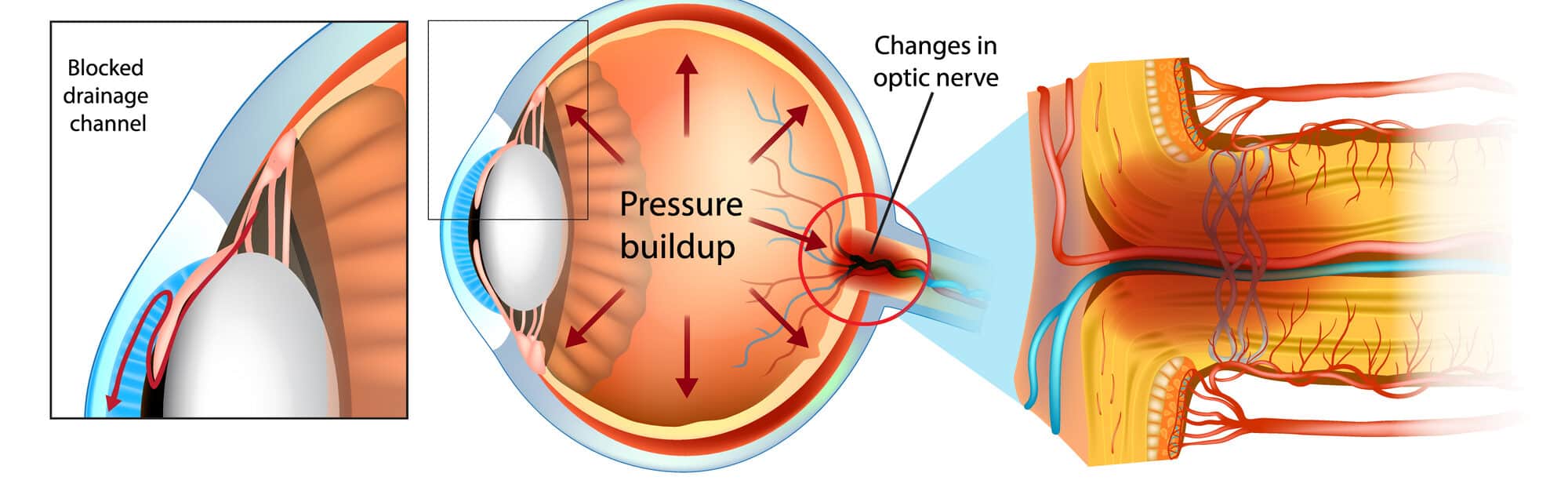
Glaucoma is a group of eye conditions that damage the optic nerve. It is usually caused by increased pressure inside the eye. It is one of the top causes of irreversible blindness worldwide.
The most common form, primary open-angle glaucoma, usually develops slowly and without noticeable symptoms early on. That’s why regular eye exams—and now, genetic risk testing—can be so important.
What Is the New Genetic Test for Glaucoma?

This innovative test analyzes your DNA to determine your polygenic risk score for primary open-angle glaucoma. Instead of searching for a single gene mutation, it assesses multiple genetic markers linked to glaucoma risk.
The result provides a personalized risk profile, helping your ophthalmologist better predict:
- Your likelihood of developing glaucoma.
- How aggressively the condition may progress.
- How frequently you should be monitored.
- The most appropriate treatment strategy for your eyes.
Dr. Gaur has been using this test on select patients for several months to verify its clinical usefulness. Based on these outcomes, we concluded that this new test is a valuable addition to our glaucoma management.
In many cases, this test enables us to shift from a one-size-fits-all approach to a genuinely personalized glaucoma treatment plan.
Who Should Consider Genetic Testing?
This test is appropriate for adults aged 18 and older, including:
- Individuals with healthy eyes who want to understand their risk.
- Patients labeled as glaucoma suspects.
- Those with ocular hypertension (elevated eye pressure).
- Patients who are already diagnosed with glaucoma.
Because glaucoma risk is strongly influenced by genetics, this test can be especially valuable if you:
- Have a family history of glaucoma.
- Are concerned about long-term vision health.
- Want more precise guidance about monitoring and treatment.
How does the Glaucoma Genetic Test Work?
The process is simple and non-invasive:
- A sample is collected in the office.
- The sample is sent to the laboratory for analysis.
- Your personalized genetic risk score is calculated.
- Your ophthalmologist reviews the results with you and adjusts your care plan if needed.
Important preparation:
Do not eat or drink for at least 30 minutes before the test.
Cost and Insurance Information
SightScore is not covered by Medicare, Medicaid, or health insurance at this time. Its cost is as follows:
- In-office fee: $150
- Laboratory invoice: $250
- Frequency: The test only needs to be done once in a lifetime because your DNA does not change, thus your genetic risk score remains the same for your entire life.
A Breakthrough in Personalized Glaucoma Care
Genetic testing for glaucoma is the result of many years of scientific research. Because glaucoma is influenced by many genes, not just one, researchers spent over a decade studying large populations worldwide, analyzing millions of genetic data points to understand how inherited risk affects eye health. These discoveries were then carefully tested and validated in real patients before being made available for clinical use.
Tests like SightScore represent the culmination of 15–20 years of research, ensuring the information provided is accurate, reliable, and meaningful for patient care.
This test became commercially available in the United States in February 2025, making it the first clinical polygenic risk score service for primary open-angle glaucoma. It was previously used in Australia and New Zealand.
At Assil Gaur Eye Institute, we carefully assess new technologies before offering them to our patients. After several months of clinical use, Dr. Gaur considers this test a game-changer for how we:
- Determine visit frequency
- Decide how aggressively to control eye pressure
- Personalize treatment plans
- Protect long-term vision
Take a Proactive Approach to Your Vision
Genetic testing gives us a deeper understanding of your individual glaucoma risk—often years before damage occurs. With this information, we can create a monitoring and treatment plan tailored specifically to you.
If you are interested in learning more about glaucoma genetic testing or want to schedule an eye exam, contact Assil Gaur Eye Institute today.
Your genes can tell us a lot about your future vision. Now, we have the tools to listen.
Assil Gaur Eye Institute’s Commitment to You
By offering genetic testing, we are moving beyond a “one-size-fits-all” approach toward precision glaucoma care—focused on early detection, prevention, and the preservation of vision for life.
If you would like to learn whether the SightScore genetic testing is right for you, please call (310) 651-2300 or schedule an appointment online with Dr. Gaur.
Frequently Asked Questions about Glaucoma Genetic Testing
What is a polygenic risk score?
Humans share the same genetic code apart from some differences, called genetic variants, that make each of us unique. Some of these variants are known to increase the risk of certain health conditions, while others reduce it.
It is possible to combine the risks from thousands or millions of genetic variants to estimate a person’s overall risk of developing a particular health condition, such as glaucoma. This overall risk is known as a polygenic risk score. In some cases, a polygenic risk score may be linked to the potential severity of the health condition and its development over time.
What is the SightScore test?
SightScore is a saliva test that looks at millions of genetic variants in your DNA to estimate your genetic risk of developing primary open-angle glaucoma in the future, or if you already have glaucoma, the risk that your glaucoma might get worse, relative to others in the community with similar ancestry.
Does SightScore assess all types of glaucoma?
No. SightScore considers only an individual’s genetic risk of developing adult-onset primary open-angle glaucoma. It does not test for angle closure glaucoma. It does not test for congenital glaucoma.
How does SightScore relate to my family history?
Blood relatives – e.g. parents, brothers/sisters, adult children – share parts of their genetic code and will have some of the same genetic variants, and some that are different. For conditions with a strong genetic component, such as glaucoma, Dr. Gaur will consider a person’s family history when assessing their risk.
However, a family history is not the same as an individual’s genetic risk. It is possible to have a high genetic risk of glaucoma without a family history of the condition. It is also possible to have a family history of glaucoma and have a low individual genetic risk. This is because a family history does not mean a person has personally inherited the genetic variants that increase the risk of glaucoma.
SightScore is a personalized test that uses a patient’s own DNA to assess their individual genetic risk of developing glaucoma. Analyzing a person’s unique genetic code may provide an eye health professional with additional information about an individual’s risk of developing glaucoma compared with individuals with a family history of glaucoma.
Does SightScore test for every risk factor?
This test does not account for: age, family history, or environmental factors. It only estimates genetic risk. However, Dr. Gaur will consider everything available when advising on future healthcare.
A small number of people will have a single ‘rare’ genetic variant that, on its own, increases the risk of glaucoma (e.g., Myocilin). SightScore does not test for these rare variants and only provides an overall polygenic risk score. An eye health professional may discuss referring you to a general genetics service or ordering separate testing of these variants in cases where it is warranted, based on family history and other clinical considerations.
How do I provide a sample for testing?
Assil Gaur Eye Institute and Dr. Gaur will provide you with a SightScore test kit. This kit includes a saliva-collection tube and instructions for collecting your saliva sample.
How is my SightScore result generated?
Once Seonix’s laboratory receives your saliva sample from the Assil Gaur Eye Institute, they isolate your DNA and analyze millions of locations across your genome to find genetic variants that either increase or decrease your risk of developing primary open-angle glaucoma. SightScore combines the effects of these variants and compares your score to others in the community with similar ancestry.
How long does it take to get my results?
Once your sample arrives at the laboratory, it typically takes 4-6 weeks for your results to be available. Then Dr. Gaur will share them with you and discuss their implications for your care plan going forward.