Dry Eye
Dry Eye Diseasein Los Angeles
in Los Angeles
What is Dry Eye Disease (DED)?
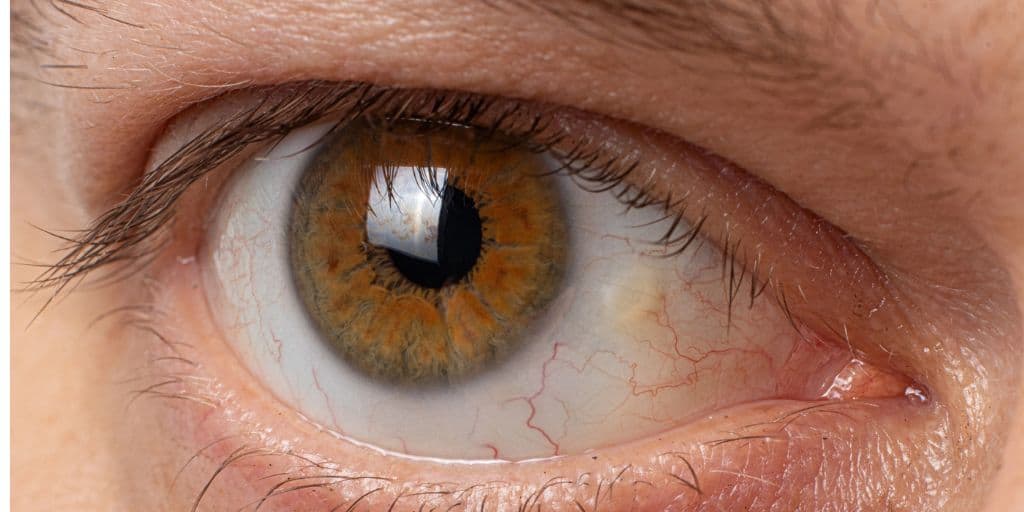
Dry eye disease (also known as dry eye syndrome) is an eye condition that occurs when the eyes do not produce enough tears or when the quality of the tears is compromised.
Tears play a crucial role in keeping your eyes lubricated, comfortable, and protected. They help nourish the front surface of your eyes, wash away debris, and prevent infections. When you do not produce enough tears because of blockages, evaporation, or other causes, dry eye may become a serious chronic problem.
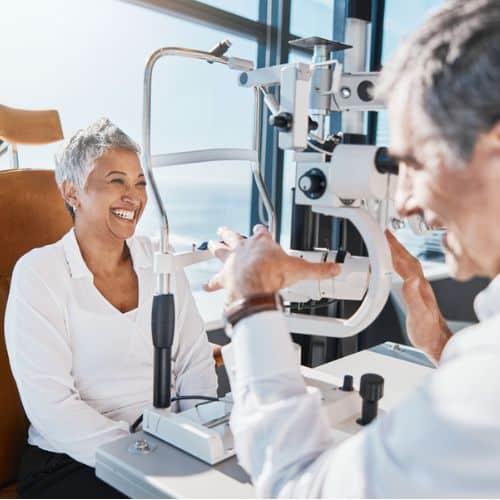
Dr. Assil discusses dry eye disease
How common is dry eye?
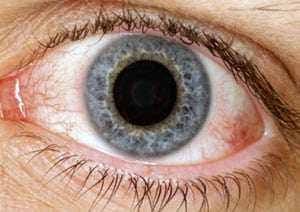
Dry eye complications are a common problem, even for those with otherwise healthy eyes, and are one of the most common reasons people visit the eye doctor. Dry eye can occur at any age and affects women more often than men.
Over the past 20 years, dry eye has become a growing concern, attributed to factors such as air travel, poor air quality, environmental allergies, and the increased use of computers and contact lenses.
Chronic dry eye syndrome can lead to serious long-term consequences. If left untreated, it can cause significant discomfort, leading to scarring and increased risk of infection, which may result in vision loss.


What causes dry eye?
The most common causes and risk factors of dry eye include:
- Age: tear production typically decreases with age; 75% of persons over 65 have dry eye
- Contact lenses: It's essential to follow the directions of your prescribing physician when using contact lenses.
- Environmental Factors: wind, dust, smoke, hot, dry weather
- Decreased blinking: reading or watching screens (cell phone, computer, etc.) reduces the quantity and quality of our tear film
- Allergies: hay fever, pollen, dust, and animals
- Medications: antihistamines, antidepressants, hormones, blood pressure medications, diuretics, and even some over-the-counter medications
- Medical conditions: rosacea, diabetes, Sjogren's syndrome, rheumatoid arthritis
- Hormonal changes: due to pregnancy, contraceptive use, or menopause
- Vitamin A or beta-carotene deficiency
- History of Accutane use, chemotherapy, or radiation
- LASIK laser vision correction has been linked with temporary dry eye symptoms
- Blepharitis: inflammation along the base of the eyelashes and lid margin adds debris to the tear film
- Incomplete eyelid closure: following eyelid surgery or occurring naturally with wide-set eyes, can cause eye dryness
How Digital Eye Strain Can Contribute to Dry Eye Symptoms
Spending long hours on computers, smartphones, and other digital devices can contribute to dry eye symptoms by reducing how often we blink. When blink rates decrease, tears evaporate more quickly, leading to dryness, irritation, burning, and fluctuating vision.
For many patients, digital eye strain and dry eye disease go hand in hand. In addition to professional treatment, simple strategies such as taking regular screen breaks, optimizing workstation ergonomics, and practicing healthy blinking habits may help improve comfort throughout the day.
Learn more about reducing screen-related eye discomfort with our Digital Eye Strain Relief Program.
What are the symptoms of dry eye?
Common symptoms of dry eye include:
- Burning, pain, or soreness inside or around the eyes
- Sandy or a gritty feeling of a foreign substance in your eye
- Red or itchy eyes
- Light sensitivity or episodes of blurred vision, usually worse at the end of the day
- Occasional or constant tearing (watery eyes)
- Eye fatigue
- Decreased contact lens tolerance or increased contact lens discomfort
What are the treatments for dry eye?
Dry eye treatments fall into three categories that can be prescribed based on the severity of your symptoms and your response to your individualized treatment plan. They are lifestyle modifications, medications for the eye, and minimally invasive procedures.
Lifestyle modifications for dry eye
Lifestyle modifications are the first line of treatment and include:
- limiting your computer screen time
- wearing sunglasses to protect your eyes from the wind while outside
- taking a break from contact lens wear
- being meticulous about makeup removal
- placing warm compresses on your eyes to stimulate the oil gland function
- scrubbing the eyelid margins to remove debris at the eyelash root thoroughly
- adding Omega-3 fatty acid supplements or flaxseed helps fight inflammation and provides essential fatty acids that aid the function of your eyelid oil glands
Medications to treat dry eye
The underlying problem with dry eye is a persistent inflammation of the cornea and the inner lining of the eyelids. Some medications we recommend include preservative-free tears, gels, and ointments. Bedtime ointments are prescribed for more severe dry eyes and people whose eyelids don't close at night.
Anti-inflammatory treatments, such as Restasis, Xiidra, Tacrolimus, and oral doxycycline, can also be good first-line treatments.
Oculocin eye drops
This advanced organic eye drop was developed in Europe and contains familiar natural ingredients, such as aloe vera, chamomile, and propolis, which have been used for centuries to treat inflammation and infection.
We're pleased to have been selected as Los Angeles County's exclusive provider of Oculocin.
Autologous serum eye drops
Autologous serum eye drops are a treatment for severe dry eyes made from your blood. Here's how it works: a small amount of your blood is taken, and the red and white blood cells are removed, leaving behind a serum. This serum is rich in nutrients and growth factors that can help to heal the surface of your eye and improve symptoms of dry eyes. The serum is then diluted with a sterile, preservative-free solution to make eye drops.
Because they're made from your blood, these drops are generally well tolerated and can be very helpful for people with severe dry eyes. Note that ASEDs are not tear substitutes and are often used in conjunction with other treatments.
PRP Eye Drops
Platelet-rich plasma (PRP) eye drops are a biologically based treatment derived from a patient's blood. Similar to autologous serum eye drops, they focus on utilizing the regenerative properties of platelets. PRP eye drops are used to treat various ocular surface disorders, particularly those involving significant epithelial defects and inflammation, such as dry eye.
Advanced minimally invasive procedures for dry eye
If lifestyle changes and medications do not relieve dry eye symptoms, our doctors may recommend minimally invasive procedures to help manage the condition.
Our eye tear film consists of numerous components, any of which might be lacking. Unfortunately, no single solution works for everyone, which is why the Assil Gaur Eye Institute offers multiple possible approaches to addressing dry eye issues. These treatments include:
DELIT and DELIT Plus for Dry Eye
DELIT (Dry Eye Light Intense Therapy) was coined at our Eye Institute and was developed by modifying an FDA-approved platform called Intense Pulsed Light (IPL) therapy, initially developed for cosmetic use. By superheating the area around your eyes, IPL kills germs, suppresses inflammation, and shrinks blood vessels that could be pressing on and blocking oil ducts.
BLEPHEX
BlephEx is a new in-office procedure for treating eyelid inflammation (known as blepharitis). The procedure eliminates the biofilm and bacterial toxins that cause eyelid inflammation and dry eye and improves the overall health of your eyelid.
TearCare
TearCare is a wearable eyelid technology device that administers gentle heat directly to the meibomian glands, liquefying the meibum, expressing clogged oil glands, and stimulating tear production. The device allows your eyes to open and blink during the procedure, which typically takes less than 3 minutes.
Punctul Plugs
Punctal plugs, also known as lacrimal plugs, are small medical devices inserted into the tear ducts (puncta) of the eye to block drainage. They are commonly used to treat dry eye syndrome and other conditions where tear conservation is beneficial.
Amniotic Membrane
The use of amniotic membrane (AM) for treating dry eye and other ocular surface disorders has gained prominence due to its unique biological properties. The amniotic membrane is the innermost layer of the placenta, consisting of a thick basement membrane and an avascular stromal matrix. It has been found to possess anti-inflammatory, anti-scarring, and anti-angiogenic properties, making it highly beneficial for ocular surface healing.
Conjunctival Chalasis Removal
Conjunctival chalasis removal (also known as conjunctivoplasty or conjunctival resection) is a minimally invasive procedure aimed at treating conjunctivochalasis—a condition characterized by redundant, loose, and non-elastic conjunctival tissue that can interfere with tear distribution and cause symptoms of dry eye.
Chalazion Removal
Chalazion removal, or chalazion excision, is a minor surgical procedure to remove a chalazion, a cystic lump in the eyelid caused by the blockage of a meibomian gland. While chalazion removal is not a direct treatment for dry eye, a chalazion can significantly exacerbate dry eye symptoms and contribute to ocular surface irritation. Thus, addressing a chalazion that worsens dry eye symptoms can improve the symptoms of dry eye.
Epiphora Surgery
Epiphora surgery for dry eye addresses the issue of excessive tearing, or epiphora, which can occur paradoxically in some cases of dry eye syndrome. Epiphora often results from either an overproduction of tears or, more commonly in patients with dry eye, a dysfunction in tear drainage due to various factors, such as blocked tear ducts, punctal stenosis, or malposition of the eyelid.
Assil Gaur Eye Institute is your partner in dry eye treatment in Los Angeles
Sometimes, despite lifestyle modifications, people may notice that their eyes become drier over time, and techniques used to provide relief are no longer effective. That's why it's essential to have regular follow-up appointments with our dry eye specialists to monitor any changes in your symptoms and explore new treatment options that can address your situation.
There may be no single treatment that completely addresses your dry eye condition. Our dry eye care ophthalmologists and optometrists will work with you to find the underlying cause of your dry eye and provide the correct combination of therapies that best suit your symptoms.
Read real patient stories about dry eye disease.
Dry Eye Specialist Dr. Lindsay Harris
Dry eye treatment at Assil Gaur Eye Institute is supported by the expertise of Dr. Lindsay Harris, an experienced optometrist with specialized training in the diagnosis and management of ocular surface disease. For nearly 20 years, Dr. Harris has helped patients overcome the discomfort, blurred vision, and frustration caused by chronic dry eye. She works closely with each patient to identify the root cause of their condition and develop a customized treatment strategy designed to provide lasting relief.
Our dry eye center is conveniently located for patients throughout Southern California and the Los Angeles area in or near Beverly Hills, Santa Monica, West Los Angeles, West Hollywood, Culver City, Hollywood, Venice, Marina del Rey, Malibu, Manhattan Beach, and Downtown Los Angeles.
Assil Gaur Eye Institute offers exceptional value for the level of care we provide. Patients receive treatment from some of the nation’s most accomplished ophthalmologists in a world-class setting, without paying more than they would at other leading eye practices in Los Angeles. The difference is not what you pay, but the level of expertise, technology, and personalized care you receive.
Request Your Consultation
Call now or request your appointment online.
Dry eyes FAQs
How is dry eye diagnosed?
Our ophthalmologist can perform several dry eye evaluations to diagnose dry eye and assess its effect on your eye health. These include Schirmer’s test, epithelial staining, and a detailed examination of the ocular surface and tear ducts.
Is dry eye treatment covered by insurance?
Many diagnostic evaluations and medically necessary treatments for dry eye disease are covered by medical insurance, not vision insurance. Coverage depends on your specific plan and the severity of your condition. The team at Assil Gaur Eye Institute can help verify your benefits before your appointment.
Is dry eye disease a serious condition?
Dry eye disease is often more than a minor annoyance. When left untreated, it can lead to chronic discomfort, fluctuating vision, and damage to the surface of the eye. Understanding the causes and risks of dry eye is an important first step toward protecting your vision. Read our guide, “What Is Dry Eye Disease? An Itch and a Hazard,“ to learn more.
Can dry eyes cause blurry vision?
Yes. When the eyes do not produce enough tears or the quality of tears is poor, the eye’s surface can become dry and irritated, leading to a range of symptoms, including blurry vision.
What does dry eye feel like?
Dry eyes can cause a range of uncomfortable sensations. Some people with dry eyes may experience a feeling of having sand or grit in their eyes. They may also experience stinging or burning sensations, itching, redness, and sensitivity to light.
Can dry eyes cause headaches?
Dry eyes can sometimes cause headaches, although it is not a common symptom. When the eyes are dry, they may be unable to focus correctly, leading to eyestrain and fatigue. This can cause tension headaches.
Can dry eyes cause blindness?
Dry eyes do not typically cause blindness, but they can lead to complications that can affect vision in severe cases.
How long does dry eye last? Or is it a lifelong condition?
Sometimes, dry eye may be temporary and resolve independently or with simple treatments such as artificial tears, taking breaks from digital screens, and avoiding dry or dusty environments.
In other cases, dry eye may be chronic and require ongoing treatment and management to relieve symptoms and prevent complications. Aging, hormonal changes, medication side effects, and certain medical conditions may cause chronic dry eye.
Can allergies cause dry eyes?
Allergies and dry eyes often co-occur. When the eyes are exposed to allergens, they can become red, itchy, and inflamed, and the tear film can become disrupted, leading to dryness and other symptoms similar to dry eyes. To determine the best treatment for your symptoms, it is recommended that you consult an eye doctor for an evaluation.
Can dry eyes cause floaters?
Dry eyes typically do not cause floaters. Floaters are generally caused by changes in the vitreous, the clear, jelly-like substance that fills the center of the eye.
Can dehydration cause dry eyes?
Yes, dehydration can be a common cause of dry eyes. The body’s dehydration may not produce enough tears to keep the eyes moist and comfortable. This can lead to dry eye symptoms, such as redness, irritation, and blurred vision.
Can dry eye disease cause double vision?
Yes, dry eye disease can cause double vision. When the eyes are dry, the eye’s surface may become irregular or rough, which can cause light to scatter and create visual disturbances. This can include seeing double or experiencing blurred vision.
Can dry eyes cause vitreous detachment?
There is currently no evidence to suggest that dry eyes can cause vitreous detachment, which is a condition that occurs when the gel-like substance inside the eye (known as the vitreous) separates from the retina
Which clinics offer the latest treatments for dry eyes?
Many modern eye clinics now offer advanced dry eye therapies beyond artificial tears. Depending on the cause of dry eye, treatments may include prescription eye drops, IPL therapy, thermal pulsation treatment, punctal plugs, and meibomian gland therapies. AGEI’s patients have access to advanced diagnostic technology and customized treatment plans tailored to their specific symptoms and eye health needs.
What should I consider when choosing a dry eye treatment?
The best dry eye treatment depends on the underlying cause and severity of symptoms. Some treatments focus on improving tear production, while others address inflammation or meibomian gland dysfunction. At AGEI, treatment recommendations are personalized for each patient, with a focus on long-term symptom relief and addressing the root cause of dry eye whenever possible.
How do I book a dry eye consultation at Assil Gaur Eye Institute?
To request a dry eye consultation, contact Assil Gaur Eye Institute directly: call us at (424) 363-7880 or submit an appointment request here. The practice serves patients throughout Los Angeles County, including Beverly Hills and Santa Monica, and patients also travel from surrounding areas for specialized dry eye care.

Written by Dr. Lindsay Harris

Medically Reviewed by Dr. John May
No form shortcode found.