Elderly Driving & Eye Health: Signs It's Time to Stop
When should a person stop driving? Surrendering your car keys seems like such a simple question. But when you factor in all the emotions and physical possibilities the answer becomes vague and personal.
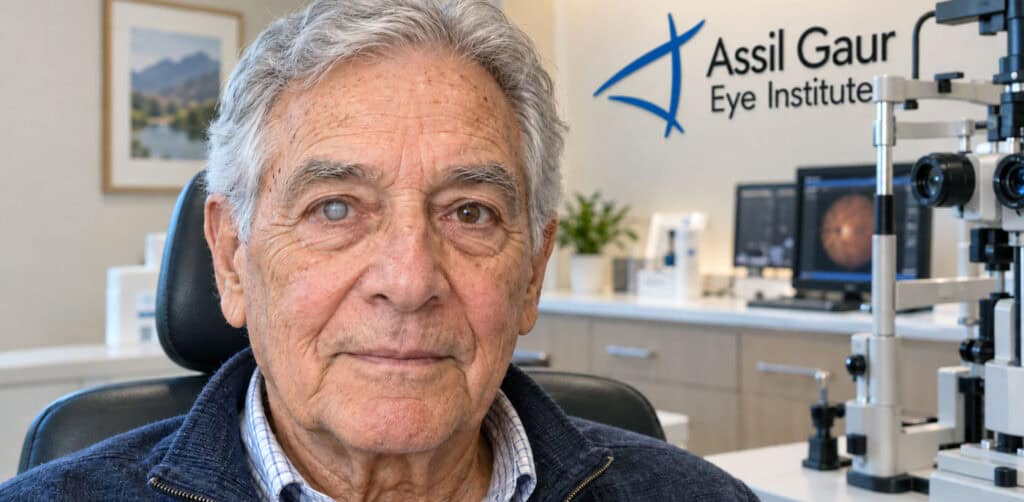
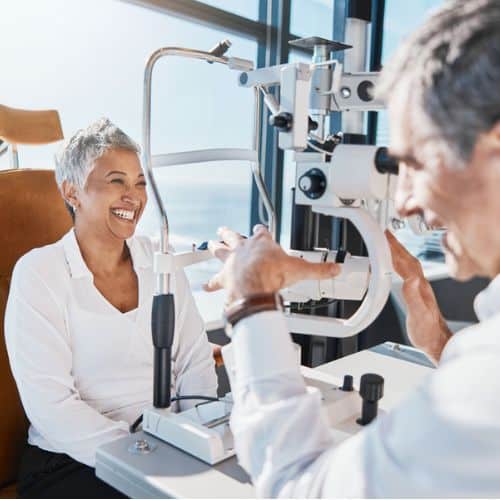
Elderly individuals should consider ceasing driving when age-related eye conditions significantly impair their visual acuity, peripheral vision, and overall ability to react safely on the road. Conditions such as cataracts, glaucoma, and macular degeneration, as discussed by Assil Gaur Eye Institute, can severely diminish night vision, depth perception, and the ability to detect hazards, making driving increasingly dangerous. Regular comprehensive eye exams are essential for monitoring these changes and determining when vision impairment poses an unacceptable risk to driving safety.
It’s food for thought that one in six US drivers are 65 or older, according to the AAA Foundation for Traffic Safety. That’s equal to about 40 million older adults on the road. Insurance experts say fatal crashes per mile creep up beginning at age 70 and peak around the age of 85.
According to statistics from the National Highway Traffic Safety Administration (NHTSA), elderly drivers are more likely than younger ones to be involved in car accidents. The Centers for Disease Control and Prevention (CDC) reports that more than 20 older adults are killed and approximately 700 are injured in motor vehicle crashes each day.
According to AARP, the average age that people give up driving is 75. But not everyone is willing to hand over the keys.
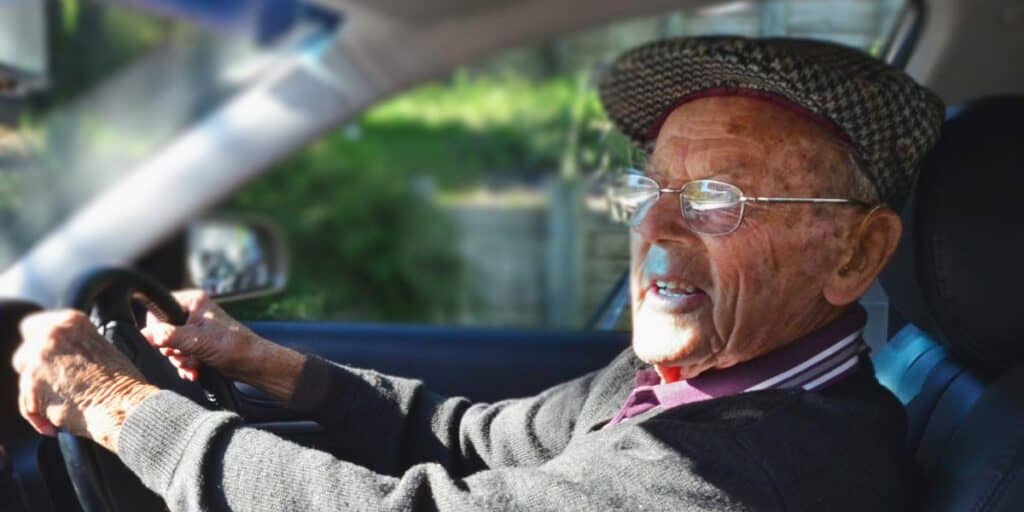
When should I quit driving?
You can answer the question of “when you should stop driving” the easy way or the hard way. The hard way is ignoring all the warning signs that your driving skills are deteriorating until your family members or loved ones must get heavy-handed with you.
Or you can meet this stage of your life the easy way and give up the keys before you become an unsafe driver. Don’t take this subject too personally: just about everyone’s reaction times begin to slow as they age, health conditions arise, and deteriorating vision makes it unsafe on the road. Learn what signs to watch out for when operating a motor vehicle before you are involved in an accident.
Are there elderly driver restrictions?
People are always quick to make jokes about “old people” driving or say there should be restrictions on elderly safe driving. While no state will come out and say “seniors stop driving,” some states do have additional requirements for older drivers.
For example, here in California, drivers 70 and older need to take a vision test every time they renew their license. Up north in Oregon, drivers need to start retaking the vision test at age 50.
The Insurance Institute for Highway Safety has a table of elderly driving laws by state for easy reference. Or you can check with your local DMV.
What eye problems commonly affect elderly drivers?
Elderly drivers commonly experience eye problems such as cataracts, glaucoma, dry eye, and retinal diseases, which significantly impact driving safety. 90% of the information needed to drive safely is visual, and poor vision reduces a person’s ability to participate in activities that stimulate the brain. Maintaining good vision health through regular check-ups and addressing these conditions may help keep your brain healthy as you age and ensure safer driving.
Poor vision reduces a person’s ability to participate in activities that stimulate the brain. Maintaining good vision health by having regular check-ups and addressing problems like cataracts, glaucoma, and age-related macular degeneration may help keep your brain healthy as you age.
These are the four primary visual reasons that senior drivers with vision problems may be unsafe:
How do cataracts affect elderly drivers?
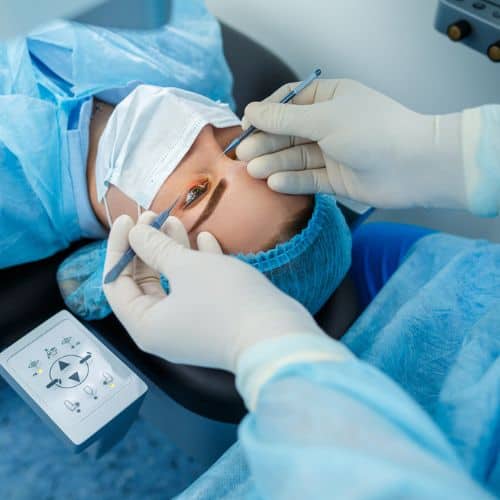
Cataracts, which are cloudy spots on the lens of one or both eyes, significantly decrease vision and can make driving unsafe for elderly individuals. Doctors have made exciting strides in removing cataracts with new types of surgery, including the use of premium intraocular lenses (IOLs). Surgeons can now effectively correct nearsightedness, farsightedness, and astigmatism in addition to cataracts, often allowing patients to stop wearing glasses after IOL implantation surgery, thereby improving their driving vision.
How does dry eye affect elderly drivers?
Dry eye is one of the two most common reasons people visit the eye doctor. Dry eye — when the eyes are not properly lubricated — can occur at any age and affects women more often than men. Lifestyle changes and medication can often alleviate this problem.
According to the American Journal of Ophthalmology, people with dry eyes are more likely to have slower response times – or more close calls and sudden dents on the car, trouble driving in bad weather, difficulty with your seat belt, traffic tickets, difficulty turning the steering wheel, forgetting which one is the brake pedal, or running stop signs. Dry eyes are also itchy and sometimes watery, distracting drivers and disrupting vision.
How do retinal diseases affect elderly drivers?
Retinal diseases, such as diabetes and macular degeneration, significantly affect the retina and can be catastrophically disruptive to vision, thereby impacting an elderly person's driving ability. The retina is a thin layer of light-sensitive tissue lining the back of the eye cavity, converting light into electrical impulses for the brain to interpret as images. When these impulses are interrupted by a retinal condition, the resulting vision impairment makes driving unsafe.
When these impulses are interrupted by a retinal condition, the results can be catastrophically disruptive to vision.
How does glaucoma affect elderly drivers?
Glaucoma, an irreversible condition damaging the optic nerve due to eye pressure buildup, can lead to permanent vision loss, significantly affecting an elderly person's ability to drive safely. The optic nerve is crucial for the brain to form visual images. If eye pressure is not controlled, the resulting vision impairment makes driving unsafe, highlighting the critical importance of early glaucoma treatment.
How does hearing impairment affect elderly driving?
Ever become startled by a blaring siren suddenly sounding right outside your car window? That’s just one of the reasons older drivers need to be aware as their hearing diminishes. Other “gotchas” include missing a blaring horn from another driver or not hearing the tick, tick, tick of your turn signal that’s been left on.
Hearing problems can come on slowly; often you don’t notice them until you are not driving safely. Have your hearing checked at least once a year.
What medical conditions can affect elderly driving ability?
Make sure you discuss any medical conditions with your doctor or caregiver before they make driving dangerous. Most states revoke your driver’s license if you commit an offense while driving with a serious medical condition. Here is a partial list of conditions that can affect your driving ability.
- Heart problems
- Partial blindness
- Epilepsy or seizures
- Lapses of consciousness
- Sleep disorders
- Dementia
- Alzheimer’s disease
- Pulmonary disorders
- Parkinson’s disease
Why is it important for elderly drivers to be realistic about their driving ability?
No one is minimizing how much of a role driving plays in all of our lives. A recent AAA survey revealed that almost 90% of senior drivers said losing their license due to impairment would be a huge lifestyle problem.
Still, you can avoid a lot of heartache and tragedy by being realistic about your driving ability. Take action before your actions take you.
What you can do when driving is not an option?

Like it or not, our society is built around cars. No one wants to be trapped at home just because they can’t drive. So what can you do to be safe but still get around?
Luckily, this is a wonderful time to give up your car or limit your driving — and still be on the go. Choices include:
- Ride sharing apps like Lyft and Uber
- Public transportation
- Family members with cars
- Transportation programs for seniors
For those who want to take a hard, honest look at their driving ability, we suggest a comprehensive driving evaluation by an occupational therapist.
How to drive longer? Protect your eyes!
The team of experts at Assil Gaur Eye Institute includes eye doctors, surgeons, and technicians who are all committed to improving their patient’s holistic health.
We specialize in highly innovative surgeries that can halt many eye conditions typical of older adults, such as cataracts, glaucoma, retinal detachments, and myopia. We also provide routine eye exams and are happy to work with your family doctor to ensure a welcoming and thorough health care plan.
Please call 866-945-2745 or make an appointment online. At Assil Gaur Eye Institute we take our patients’ safety seriously. Our facility’s Covid-19 patient safety procedures exceed all CDC recommendations to minimize the spread of the coronavirus. Masks are required in our institutes at all times.
We are conveniently located for patients throughout Southern California and the Los Angeles area at locations in or near Beverly Hills, Santa Monica, West Los Angeles, West Hollywood, Culver City, Hollywood, Venice, Marina del Rey, Malibu, Manhattan Beach, and Downtown Los Angeles.