Home >
Resources >
The Digital Dry Eye Relief Program from Assil Gaur Eye Institute
Digital Eye Strain: The Hidden Cost of Our Screen-Focused Lives
After a day on your devices, have you ever experienced any of these common symptoms of digital eye strain: eye fatigue, blurred vision, watery eyes, headaches, or other eye discomfort? Have you ever been diagnosed with dry eye disease?
Chances are you have. It’s no surprise. In today’s hyper-connected world, digital eye strain, also known as computer vision syndrome (CVS), has become one of the most widespread and underestimated health challenges. Many of us do some computer work or look at computer screens for entertainment. And the screen time doesn’t end there. What about cell phones, tablets, e-readers, gaming consoles, and VR headsets? In short, our eyes are communicating with screens more than ever before. As a result, digital-related eye issues are rising dramatically.
At Assil Gaur Eye Institute, we understand that digital device use, including computer use and smartphones, isn’t going to slow down. So, we need to step up with new ways of eye care.
Our Digital Dry Eye Relief Program blends modern technology, clinical science, and personalized eye wellness strategies designed to protect, restore, and optimize eye performance in the digital age.
We help our patients reduce symptoms and future-proof their vision.
Why do digital devices trigger dry eyes?
Long periods of digital screen use affect your ocular surface (the surface of your eye). These environmental factors cause dry eye disease in several ways:
Blue light exposure: This type of light can contribute to eye strain and tired eyes. Even worse, it gets you out of sync with your (or body clock).
Reduced blink rate: Did you know that you blink an average of 50% less while using screens?
Incomplete blinking: Since you don’t fully blink, it causes the tears to evaporate more quickly.
Forward-lean posture: Sitting in this way increases neck tension, shoulder pain, and visual discomfort.
Low-humidity indoor environments: When we are indoors, we often use climate control devices such as air conditioners, heaters, and fans. These reduce the humidity to levels below the optimum for your eyes.
Unhealthy lighting conditions: Poor lighting and bright lights can contribute to vision problems.
Eyewear: Do you wear contact lenses? Are your eyeglasses regular and not moisture chamber glasses? While both are essential for sight, they may be making your visual system less than optimal.
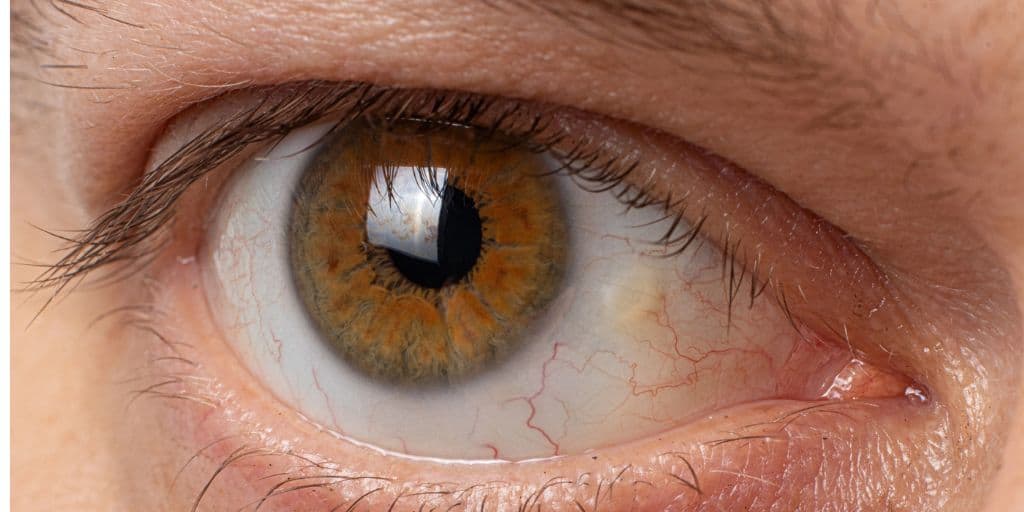
Over time, these risk factors lead to tear instability, inflammation, eyelid gland dysfunction, light sensitivity, and fluctuating or blurry vision.
What is Assil Gaur Eye Institute’s Multi-Layered Digital Dry Eye Protocol?
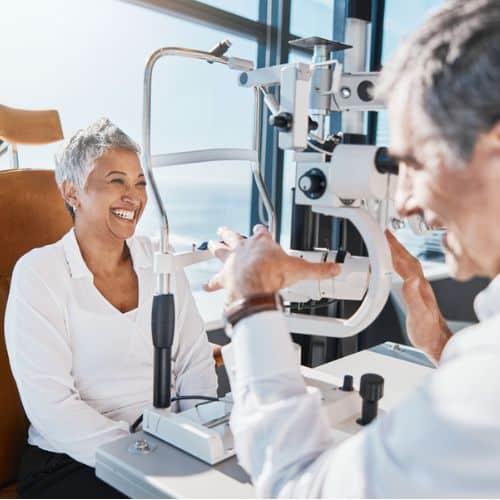
We begin with a complete in-house evaluation, including an eye exam. Based on your personal results and ongoing needs, we will have a detailed conversation about the best steps to prevent visual problems and which treatment options may be best for your eye health. We will direct you to the best over-the-counter eye products, home routines, and equipment for you.
Here are some of the strategies we can offer:
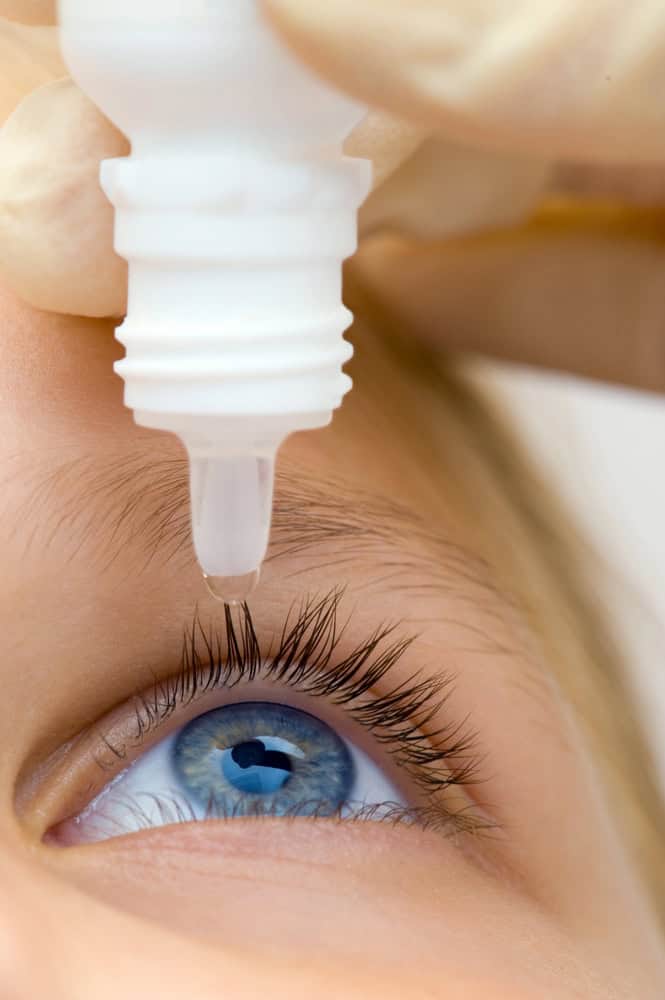
Doctor-Guided Artificial Tear Therapy
Not all lubricating drops are equal. We tailor our recommendations based on tear composition and gland function. These include:
Lipid-Based Tears (for evaporative dry eye / MGD)
Hyaluronic Acid Drops (for surface hydration)
Preservative-Free Formulas (for frequent use)
Why this matters: Evaporative dry eye from digital habits is often due to an oil deficiency in your tears. We select precise formulas to rebalance your tear film (tears).
Science-backed nutritional support
Ocular nutrition enhances tear quality from the inside out. Our key supplements include:
Omega-3s (re-esterified triglyceride form)
Antioxidants & carotenoids
Hydration boosters
Eyelid hygiene & meibomian gland support
Your meibomian glands are small oil glands. They are located on your eyelids near your eyelashes. They produce meibum. This oily substance is part of your tear film. It is important because it keeps your tears from evaporating too quickly.
Healthy oil glands = comfortable screen time.
Some of our tips for routine stye (sty) prevention and healthy meibomian gland support include using lid cleansers and lid wipes, removing makeup, and evaluating false lash health. Another important option is in-office deep eyelid cleaning via Bleph-Ex.
Advanced Home Care Options for Computer Vision Syndrome (CVS)
Some at-home devices are better than others. Depending on your dry eye cause, we will recommend certain ones more tailored to you.
Digital eyewear solutions
Some of these solutions include anti-glare screen filters for your devices, blue light filters, and tint solutions tailored to your symptoms.
Screen ergonomics coaching
There are simple, effective preventive measures such as the 20-20-20 rule, regular breaks, blink exercises, and reminders. We will also discuss optimal screen setup for computer users, considering factors such as eye level and viewing distance.
Our advanced regenerative dry eye therapies
For patients needing deeper healing, we leverage cutting-edge medicine, including:
Intense Pulsed Light (IPL) / Optilight Intense Pulsed Light (IPL) uses the Lumenis Optilight device. IPL uses specific wavelengths of light to target blood vessels, inflammation, and abnormal oil glands around the eyes. DELIT is an IPL treatment that combines intense pulse light with manual eyelid expression to improve the function of clogged oil glands. This treatment helps restore proper function of the Meibomian glands, which is the main cause of dry eye syndrome.
Photobiomodulation (PBM) Red-Light Therapy This red-light therapy reduced eyelid swelling and aids in healing. The light penetrates the eyelids and stimulates the mitochondria in your eye cells, improving cellular metabolism of the meibomian glands. This will result in better-quality meibum and improved tear-film stability.
Platelet-Rich Plasma (PRP) drops PRP eye drops (also called ASEDS) are made from a patient’s own blood. They contain concentrated platelets with natural growth factors that actively support the healing of your ocular surface and help restore a healthy tear film and corneal epithelium. Unlike traditional treatments that offer only temporary lubrication, PRP drops target the root cause of severe dry eye by stimulating natural tear production and aiding corneal healing. So, they are especially effective for complex cases that do not respond to usual dry eye treatments.
Ambio Grafts (CAM 360) Amniotic membrane grafts are derived from the innermost layer of the placenta. They possess anti-inflammatory, anti-scarring, and anti-angiogenic properties, making them highly advantageous for ocular surface healing. These grafts are among the advanced dry eye treatments at the Assil Gaur Eye Institute to help restore a healthy tear film and protect and regenerate the cornea in severe dry eye cases.
Digital vision health isn’t just about comfort—it affects productivity, mood, energy, sleep, and cognitive performance.
Our goal at Assil Gaur Eye Institute is proactive and preventative eye wellness: preventing damage, restoring ocular surface function, and optimizing long-term visual health.
We combine advanced diagnostic testing with personalized treatment plans tailored to your digital lifestyle.
Ready to transform your digital eye comfort? Assil Gaur Eye Institute is your partner in treating and monitoring dry eye
Whether you work on screens, compete in games, or want sharper, more comfortable vision, our Digital Dry Eye Relief Program is built for modern visual demands.
There may be no single treatment that completely addresses your dry eye condition. Our dry eye care ophthalmologists and optometrists will work with you to find the underlying cause of your dry eye and provide the correct combination of therapies that best suit your symptoms.
Our dry eye center is conveniently located for patients throughout Southern California and the Los Angeles area, including Beverly Hills, Santa Monica, West Los Angeles, West Hollywood, Culver City, Hollywood, Venice, Marina del Rey, Malibu, Manhattan Beach, and Downtown Los Angeles.
Complimentary “Are You a Candidate for Eyelid Surgery” Assessment


 Digital Eye Strain: The Hidden Cost of Our Screen-Focused Lives